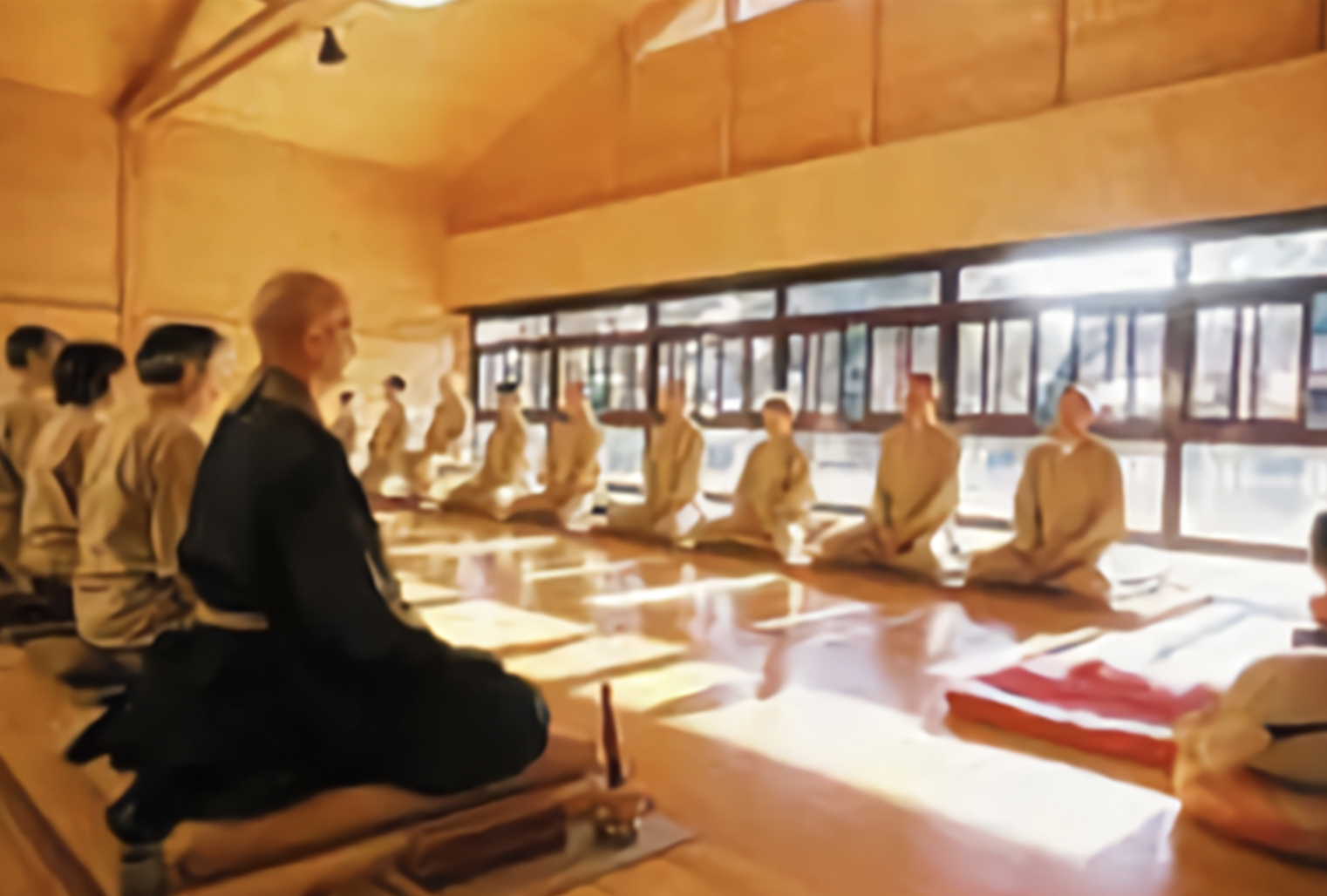
You’ve got 48 hours in Tokyo. You want something that isn’t on every tourist’s Instagram. Zazen might be exactly what you’re looking for — or it might be the longest 10 minutes of your life. Probably both.
Either way, here’s everything you need to know before you walk into a 400-year-old temple and try to sit still.
What Is Zazen? (And Why Is Everyone Sitting So Still?)
Zazen (座禅) literally means “seated meditation” and it’s the heart of Zen Buddhist practice. You sit. You breathe. You try not to think about what you’re having for dinner. That’s… basically it.
But here’s the thing — it’s deceptively simple. Zazen isn’t about achieving some mystical vision or unlocking a secret superpower. It’s about sitting with correct posture and controlled breathing, fully alert yet relaxed, with no deliberate mental focus. No visualizations, no mantras, no guided voice telling you to “imagine you are a calm lake.” Just you, a cushion, and the sound of incense burning.
Sessions typically last between 15 to 45 minutes and cost anywhere from ¥500 to ¥3,000 — a pretty reasonable price for a shot at enlightenment, honestly.
Zazen vs. Meditation: What’s Actually Different?
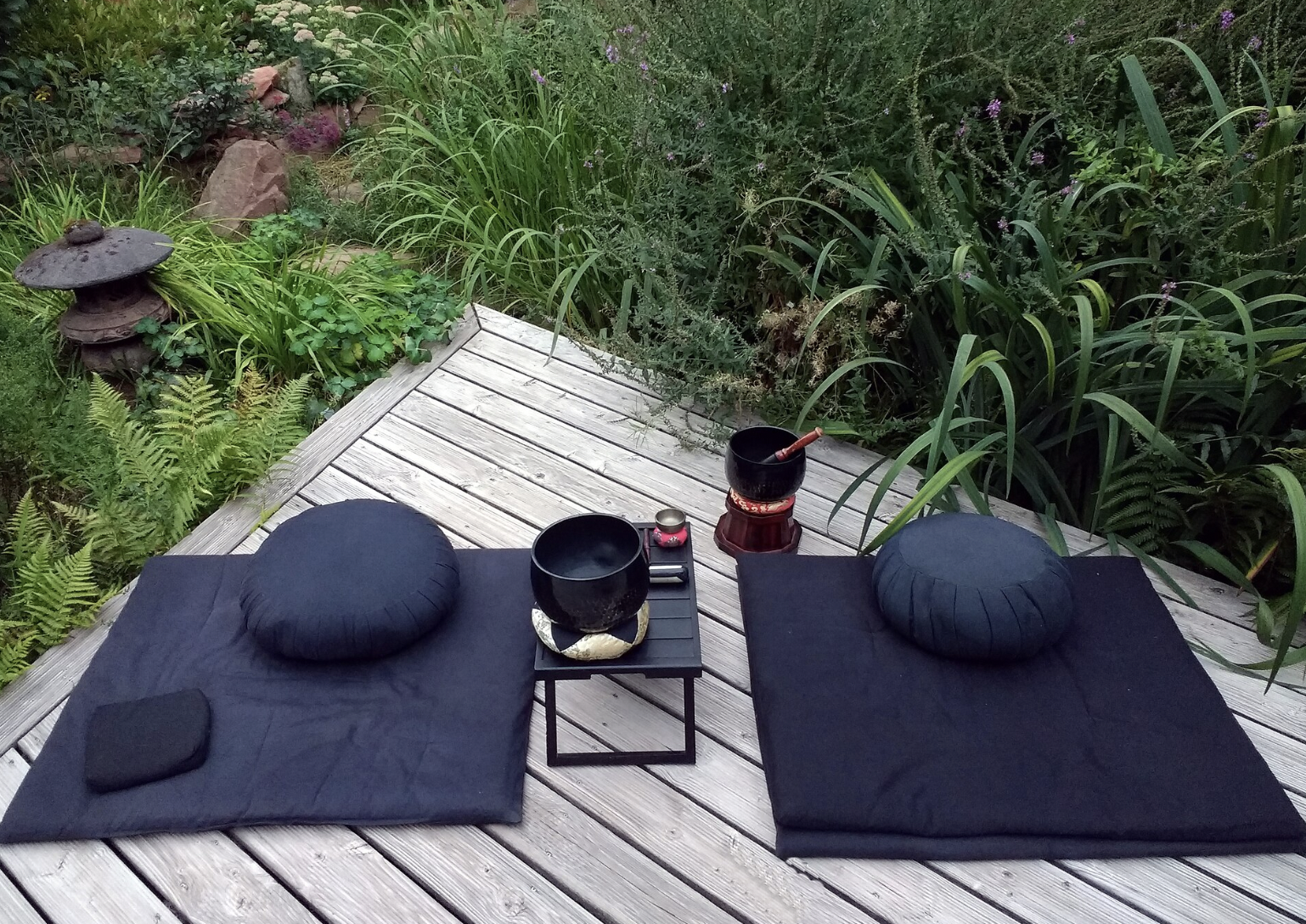
If you’ve ever done mindfulness meditation, yoga nidra, or Vipassana, you might be wondering: isn’t this just the same thing with a fancier cushion?
Not quite. Here’s the key difference:
ZazenMindfulness / VipassanaGoalNo goal — sitting IS the practiceObservation of thoughts, sensationsFocus”Just sitting” (Shikantaza)Breath, body scan, thoughtsPostureVery specific and structuredMore flexibleGuidanceMinimal — silence is the teacherOften guided or with techniqueThat stickYes, possibly 😅Definitely not
The Soto Zen school — which you’ll encounter at most Tokyo temples — teaches Shikantaza (只管打坐), or “just sitting.” Meditation isn’t a means to an end; the sitting itself is the expression of enlightenment. Very Zen, right?
The Rinzai school takes a slightly different approach, incorporating koans — philosophical puzzles like “What is the sound of one hand clapping?” — to spark insight. Both traditions are alive and well in Tokyo.
From someone who’s practiced Vipassana: If Vipassana is like watching your mind like a nature documentary, zazen is like… becoming the camera. Different flavour, equally humbling.
Where to Experience Zazen in Tokyo & Nearby (English OK! 🙌)
The good news: you don’t need to speak Japanese to experience zazen. Several temples in and around Tokyo offer English-language sessions specifically designed for curious beginners.
🏯 Kinryuji Temple — Asakusa, Tokyo
One of the most accessible and foreigner-friendly options in central Tokyo. Founded in 1611 by the daughter of Tokugawa Ieyasu, the temple sits just one street back from the busy main strip of Asakusa — a genuinely peaceful escape from the tourist crowds outside.
The head priest, Taijun Namiki (also director of the Tokyo Zen Center), explains Zen in an approachable, friendly way. Sessions include three 10-minute zazen rounds timed by a burning incense stick, followed by matcha and sweets. Yes, there is a keisaku (the famous shoulder-tapping stick) — but it’s optional and used as encouragement, not punishment.
Great for: First-timers who want a central Tokyo location
Vibe: Historic, calm, very welcoming
📍 Getting there: Take the Tokyo Metro Ginza Line to Asakusa Station (about 5 min from Ueno, 15 min from Shibuya). The temple is a 5–10 minute walk from the station. Booking in advance is essential as sessions are popular.
🔗 Book here
🏯 Denchuji Temple — Kagurazaka, Tokyo
This one gets a special mention for creativity. The vice-abbot teaches Zen in English using a whiteboard — and has been known to use Winnie the Pooh illustrations to explain Zen concepts. Iconic.
Established in 1628 and blessed by the third Tokugawa shogun, Denchuji is deeply connected to Eiheiji, one of the two head temples of Soto Zen Buddhism. Sessions are conducted in small groups, which means actual personal attention — rare for zazen in Japan, where groups of 20+ are the norm.
Chair zazen is available for those who can’t sit cross-legged. The temple even has elevator access for wheelchair users.
Great for: Beginners, families, anyone who appreciates good visual aids
Vibe: Intimate, educational, surprisingly fun
📍 Getting there: Kagurazaka is within 30 minutes of any major Tokyo station — right in the heart of the city inside the Yamanote Line. The nearest station is Kagurazaka (Tokyo Metro Tozai Line) or Iidabashi (multiple lines). Sessions are booked through tour operators; do not contact the temple directly.
🔗 Book here
🏯 Sojiji Temple — Yokohama (30 min from Tokyo)
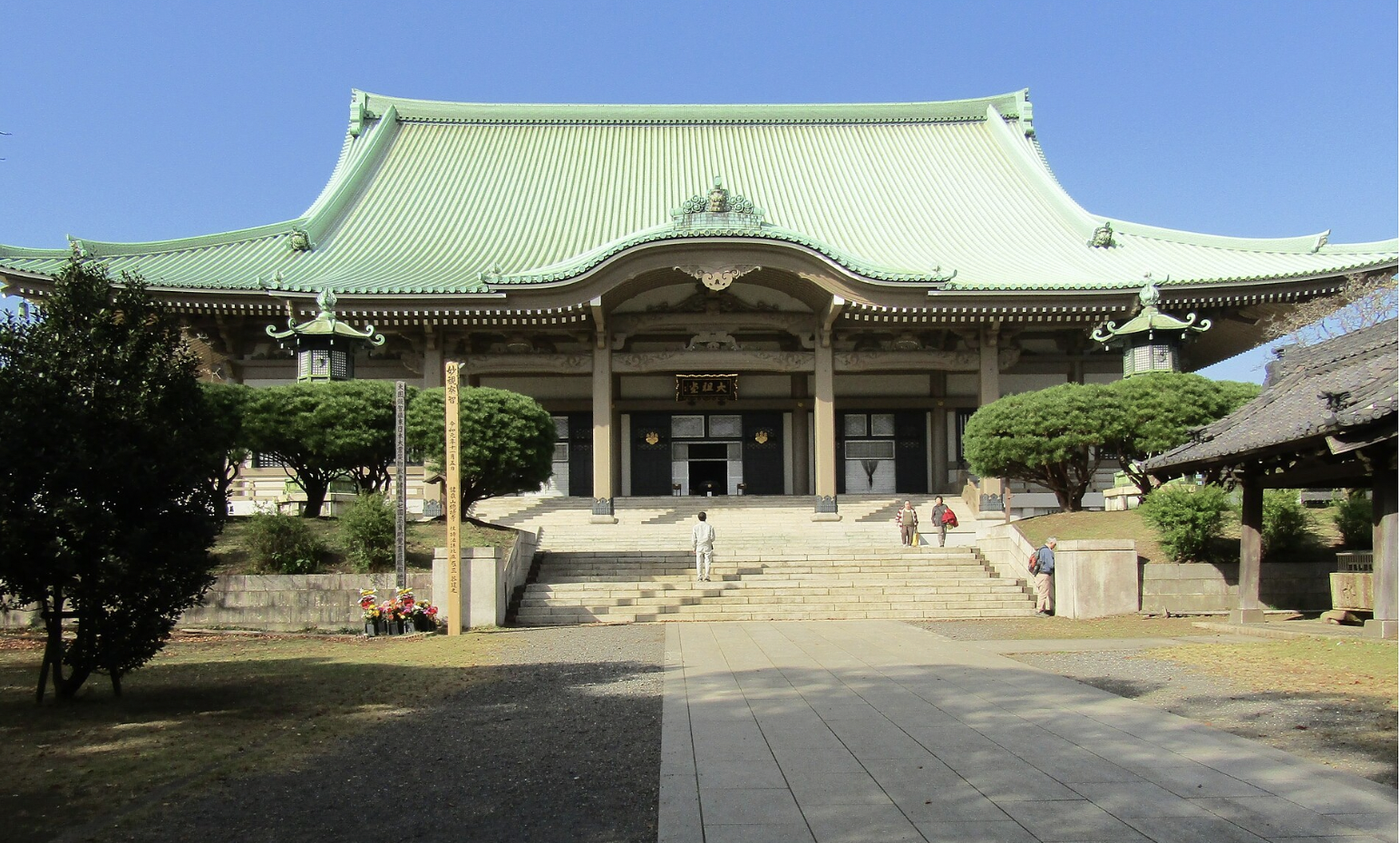
One of the two head temples of Soto Zen Buddhism, sitting on park-like grounds of around 500,000 square meters. Monthly English zazen sessions are held for just ¥500 — possibly the best meditation deal in the greater Tokyo area. The session starts at 1:00 PM, lasts about two hours, and includes a guided tour of the monastery at the end. No reservation required.
Great for: Budget travelers and those who want a more traditional large-temple atmosphere
Vibe: Grand, atmospheric, a proper Zen headquarters energy
📍 Getting there: Take the JR Keihin-Tohoku Line to Tsurumi Station (17 min from Shinagawa, 10 min from Yokohama). Use the West Exit and walk alongside the tracks for about 350 meters — roughly 5–7 minutes on foot. Address: 2-1-1 Tsurumi, Tsurumi-ku, Yokohama. Tel: +81 (45) 581-6021.
🔗 Official website: sojiji.jp
🏯 Kenchoji Temple — Kamakura (1 hour from Tokyo)
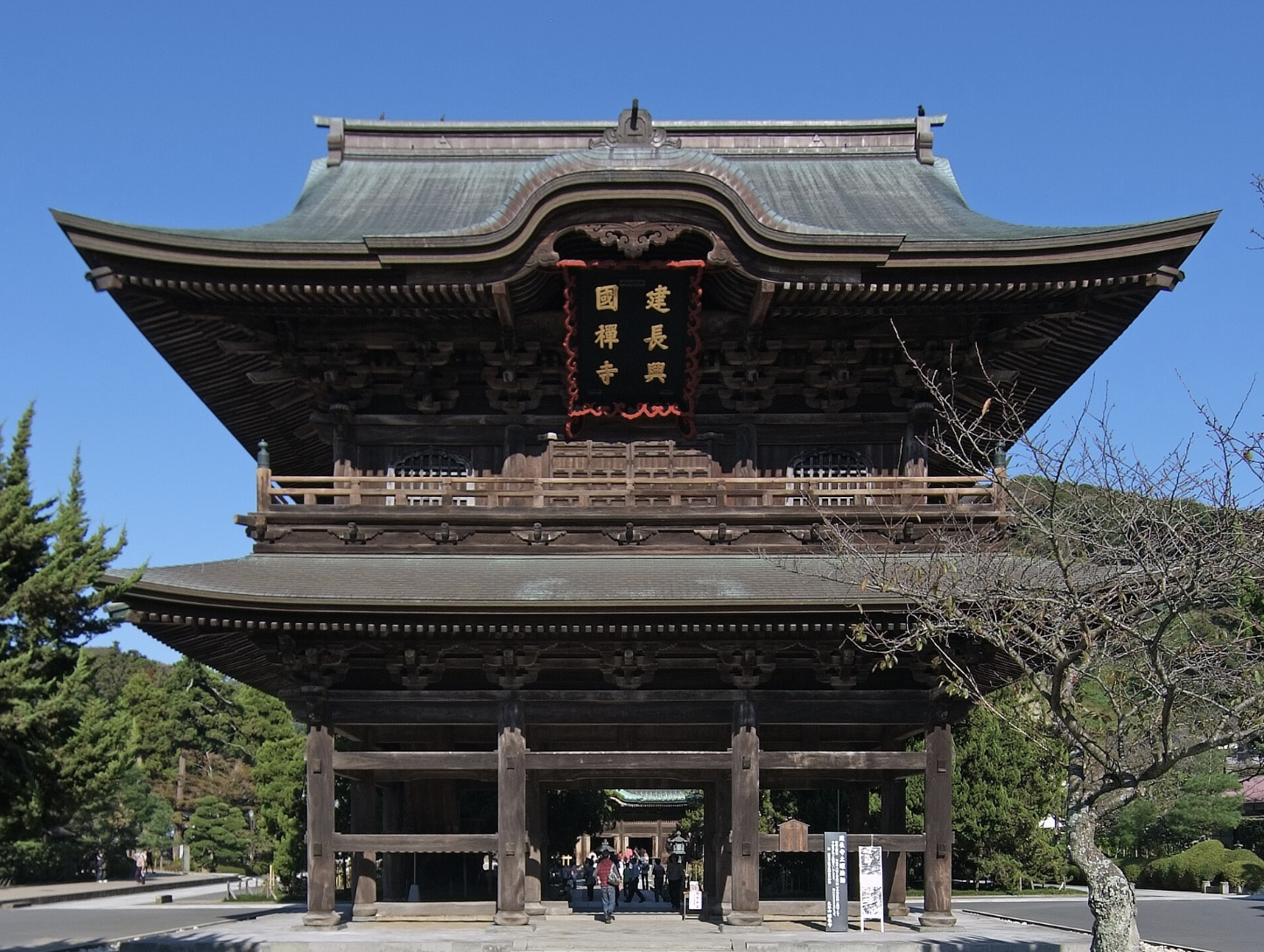
Japan’s oldest Rinzai Zen training monastery, founded in 1253. Regular zazen sessions are held every Friday and Saturday (3:30–4:30 PM, free with ¥500 entrance fee, no reservation needed). English-specific sessions are also held several times a year — book by emailing zazen-english@kenchoji.com with your name, nationality, and preferred date.
Great for: Day-trippers combining Zen with sightseeing
Vibe: Ancient, serious, bucket-list worthy
📍 Getting there: Take the JR Yokosuka Line from Tokyo Station to Kita-Kamakura Station (about 55 min). The temple is a 15-minute walk from the station.
🏯 Tokozenji Temple — Tokyo (English Zazen Programme)
A lesser-known but highly regarded Zen temple offering one of the most structured English-language zazen programs in the Tokyo area. While not as massive or visually imposing as larger temples, this is where things feel a bit more… real. The sessions are calm, focused, and guided just enough to keep beginners from spiraling into “am I doing this right?” every 30 seconds.
The English zazen programme is organized by experienced practitioners and often includes posture guidance, breathing basics, and a short introduction to Zen philosophy. It’s a great middle ground between “completely silent and confusing” and “overly touristy experience.”
Great for: Beginners who want proper guidance without losing authenticity
Vibe: Quiet, focused, slightly serious — in a good way
📍 Getting there: Tokozenji is located in the Tokyo area, with sessions held at affiliated temples depending on the schedule. Most locations are within 30–60 minutes from central Tokyo. Advance booking via email is required, and details will be shared upon confirmation.
🔗 English zazen programme: tokozenji.or.jp
What to Wear for Zazen (Hint: Leave the Skinny Jeans at Home)
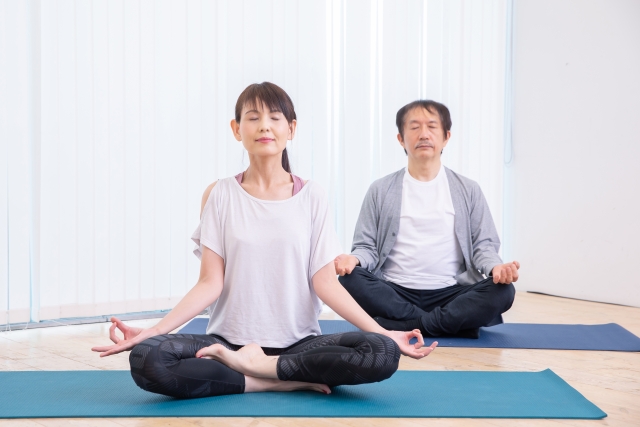
This is genuinely important — and something most travel blogs forget to mention.
✅ DO wear:
Loose, comfortable trousers or wide-leg pants (you’ll be sitting cross-legged)
Layers (temples can be cool, especially in the mornings)
Socks (you’ll remove your shoes)
❌ DON’T wear:
Tight jeans or skinny trousers — cutting off circulation is not a Zen experience
Strong perfume or scented lotion (you’re in a sacred space, and it disturbs the silence)
Anything you’d be nervous about sitting on a wooden floor in
If you can’t sit cross-legged at all, don’t worry — chair zazen is available at most English-friendly temples. Just mention it when you book.
How to Practice Zazen at Home (Because Temples Are Far)
Can’t make it to a temple? You can start practicing zazen at home right now. Here’s the basics in plain English:
1. Set up your space
Find a quiet spot. Sit on a firm cushion (a zafu) or folded blanket on the floor. You want your hips slightly elevated above your knees.
2. Find your posture
Full lotus (both feet on opposite thighs) — impressive but not required
Half lotus (one foot on the opposite thigh) — more realistic
Burmese position (both feet on the floor in front of you) — totally fine for beginners
Chair — also completely valid
Keep your spine straight, chin slightly tucked, eyes cast downward at a 45-degree angle (not fully closed, not wide open).
3. Hand position (Cosmic Mudra)
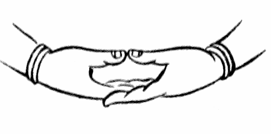
Place your left hand in your right, palms up, thumbs lightly touching. This hand position — called the hokkaijoin or cosmic mudra — helps maintain alertness.
4. Breathe
Breathe naturally through your nose. Some traditions count breaths (inhale = 1, exhale = 2… up to 10, then restart). When you lose count — and you will — just start again at 1. No judgment.
5. Just sit
Set a timer for 10–15 minutes to start. Thoughts will arise. Notice them, don’t follow them. Return to your posture, return to your breath. That’s it. That’s zazen.
Final Thoughts
Zazen won’t give you superpowers. It probably won’t trigger a dramatic enlightenment experience either (sorry). But sitting in a 400-year-old Tokyo temple while incense drifts through the air and a monk gently corrects your posture? That’s the kind of experience you’ll still be thinking about on the plane home.
And if a monk approaches you with a wooden stick during meditation — breathe in, bow your head slightly, and accept the tap with grace. It’s an act of compassion, not aggression. Allegedly.
Have you tried zazen in Tokyo or elsewhere in Japan? Drop your experience in the comments — especially if the stick was involved.
Looking for more unique cultural experiences in Japan? Check out [related articles on The Japan Note].

コメント