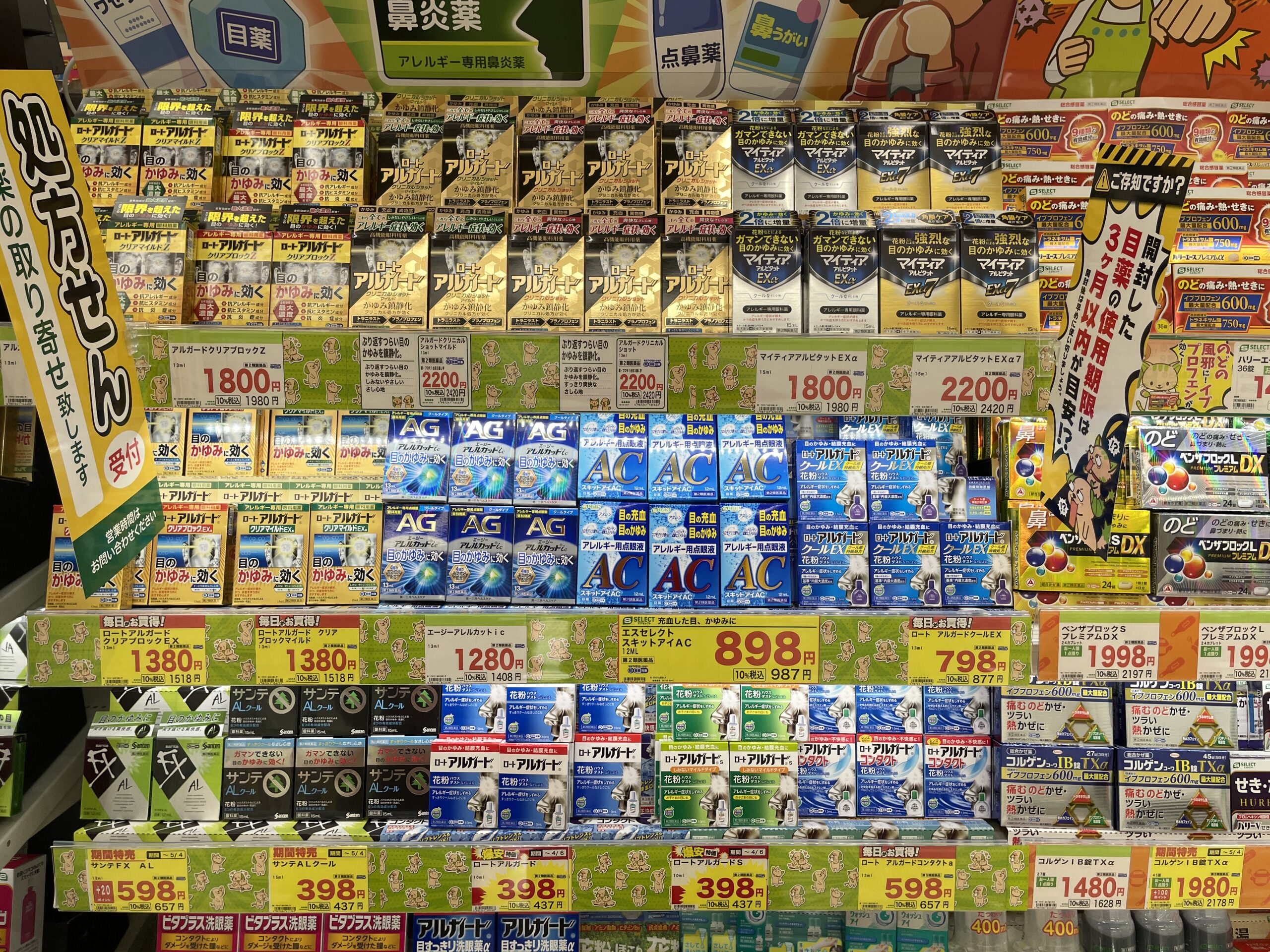
So, you walked into a Japanese drugstore “just to take a quick look.”
Thirty minutes later — you’re still there, basket in hand, wondering how this happened again.
Congratulations. You’ve fallen into Japan’s most wholesome shopping trap.
Here’s the thing: locals fall for it too. After work, during lunch breaks, “just for one thing” — people walk out with full baskets every single day. Japanese drugstores (called drug stores or kusuri-ya in Japanese) are one of the few places where affordable, high-quality, and genuinely useful products all live under one roof.
As someone who has lived in Japan and spent an embarrassing amount of time browsing drugstore aisles at 11pm, I can tell you: this is not hype. These products are legitimately good.
In this guide, I’ll walk you through 10 must-buy items at Japanese drugstores in 2026 — the ones locals actually use, the ones worth buying as souvenirs, and the ones that will make your bag significantly heavier at the airport.
📝 This guide is based on personal experience living in Japan, conversations with locals, and thorough research into the most recommended products in 2026. All product recommendations are based on real usage and public reviews — not sponsored content.
- 1. Japanese Sheet Masks — The One You Can’t Leave Without
- 2. Japanese Sunscreen — Globally Famous for a Reason
- 3. Face Wash (Foaming Cleanser) — Gentle, Luxurious, Everyday
- 4. Eye Drops — Intense, Refreshing, and Oddly Addictive
- 5. Pain Relief Patches — The Commuter’s Secret Weapon
- 6. Lip Balm & Lip Care — The Humble Essential
- 7. Hair Care Products — Premium Feel at Drugstore Prices
- 8. Supplements & Vitamins — The Preventive Health Culture
- 9. Energy Drinks (Japanese Style) — It’s Not Red Bull
- 10. Drugstore Snacks — Don’t Skip This Section
- 🛒 Practical Tips for Drugstore Shopping in Japan (2026)
- ❓ Frequently Asked Questions
- Final Thoughts
1. Japanese Sheet Masks — The One You Can’t Leave Without
If you only buy one thing at a Japanese drugstore, make it a sheet mask.
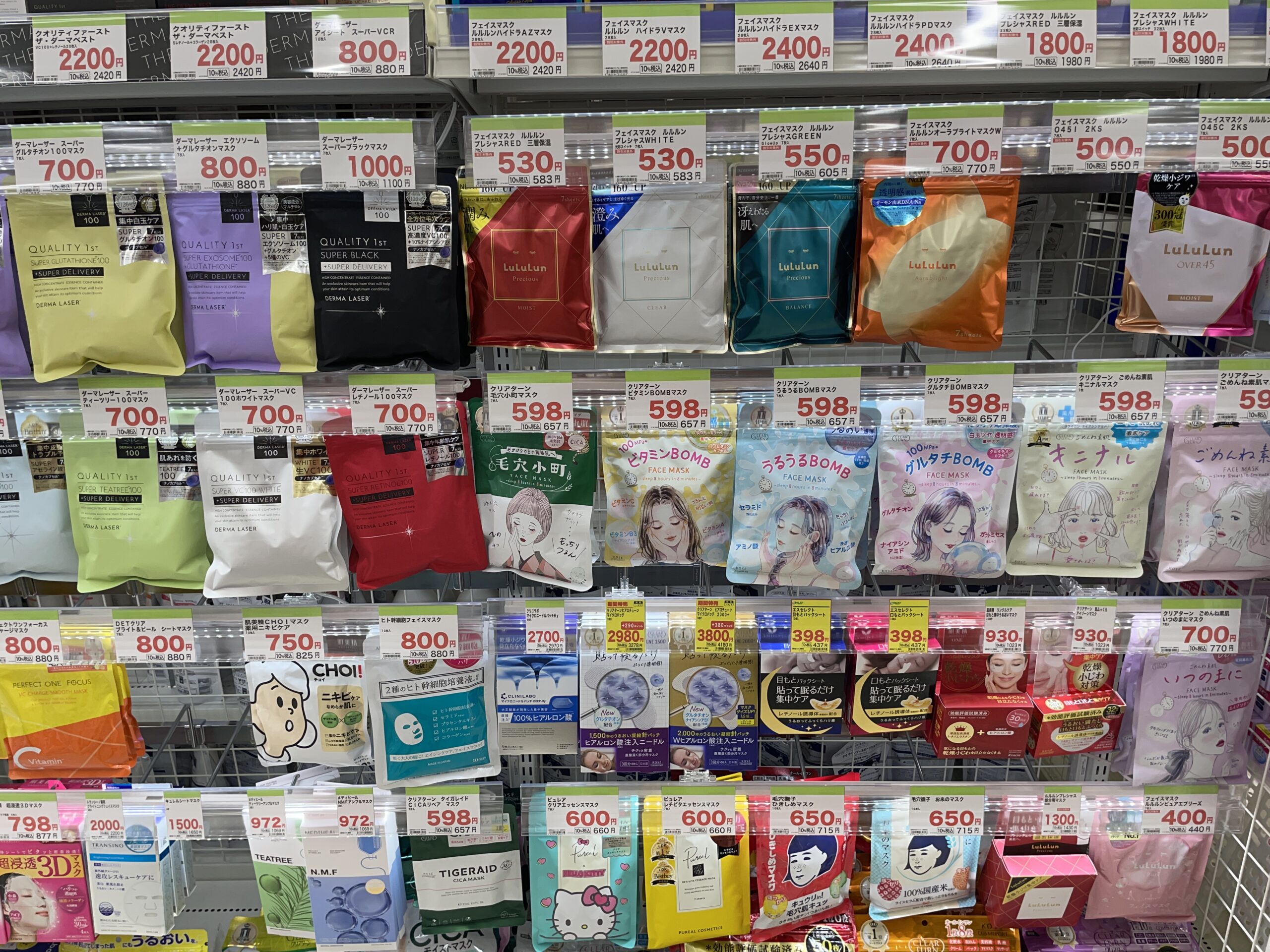
Sheet masks are arguably the most beloved Japanese drugstore souvenir for good reason. They’re affordable (some cost just a few dozen yen per piece), high quality, easy to carry, and make genuinely great gifts. But here’s the part that surprises most visitors: locals buy them in bulk. We’re talking 10, 20, sometimes 30 packs at once — and nobody bats an eye. It’s just what you do here.
Japanese sheet masks tend to use high-concentration serum formulas with a focus on hydration, brightening, and skin texture. The ingredients are often derived from natural or traditional sources — rice, sake, collagen, hyaluronic acid — and the quality difference from drugstore options in other countries can be noticeable from the very first use.
The cultural angle: in Japan, skincare is genuinely part of daily routine for many people, not just women. Sheet masks are used on regular weeknights, before big events, or simply because they feel nice after a long day. Once you start, it’s hard to stop.
⭐ My Top Pick: Keana Nadeshiko Rice Mask (10 Sheets)
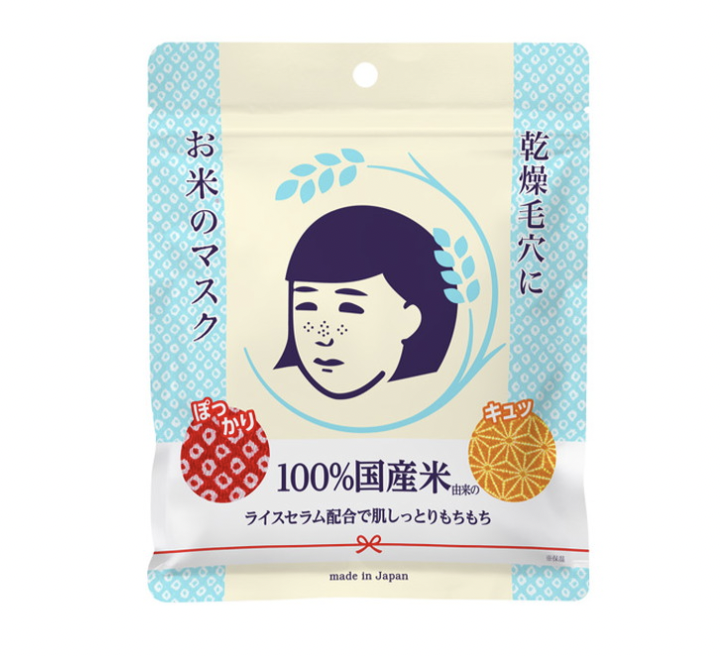
Made with 100% Japanese rice-derived ingredients, this mask helps refine skin texture, minimizes the appearance of pores, and leaves skin feeling soft, plump, and almost bouncy. The quality is consistently excellent, and it’s made in Japan — which matters if you care about ingredient sourcing.
Pro Tip: Some major drugstore chains like Matsumoto Kiyoshi and Sun Drug run multi-pack discounts on sheet masks. If you see “5 for ¥500” style deals, grab them — it’s genuinely cheaper than buying individually.
2. Japanese Sunscreen — Globally Famous for a Reason
Japanese sunscreen has a cult following worldwide, and it genuinely deserves it.
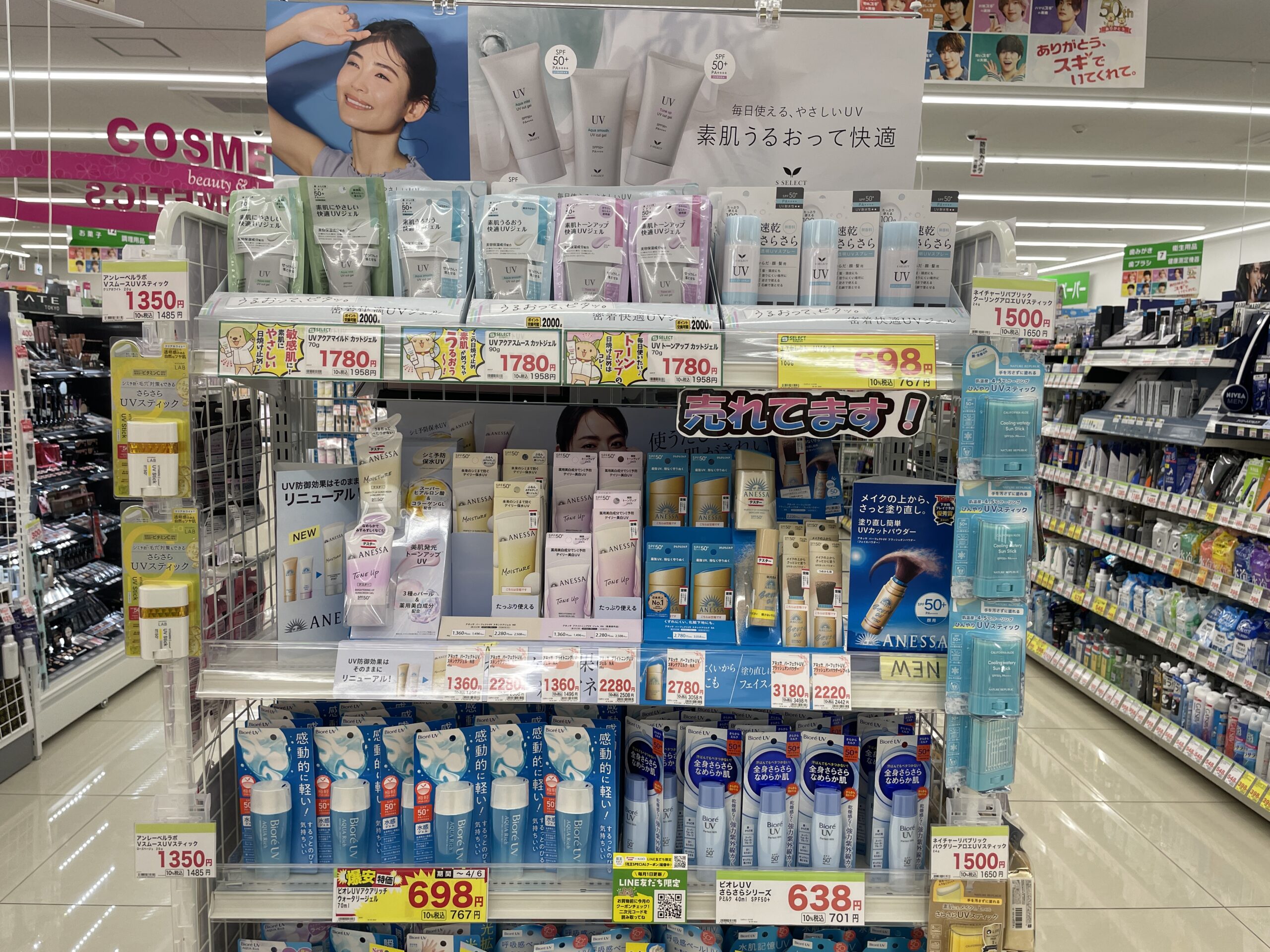
What sets it apart: the texture. While sunscreens in many countries feel heavy, greasy, or chalky, Japanese sunscreens are engineered to feel lightweight — almost like skincare. Many are completely invisible on skin, absorb instantly, and leave no white cast. This is partly why they’ve become popular not just in Asia, but among dermatologists and beauty editors globally.
In Japan, sunscreen is a year-round daily essential, not a beach product. Office workers wear it during their commute. People reapply it at lunchtime. There’s even a whole vocabulary for UV protection levels here: PA+++ (Japan’s system for UVA protection) alongside the familiar SPF rating for UVB.
💡 What to look for: Aim for SPF50+ / PA++++ (the highest ratings) for the best protection. Brands like Rohto, Shiseido, and Bioré are consistently recommended by dermatologists and regular users alike.
Many first-time visitors plan to buy “one bottle” and end up buying three — one for themselves, and some for friends back home who specifically asked. That’s just how it goes.
3. Face Wash (Foaming Cleanser) — Gentle, Luxurious, Everyday
Japanese face washes have a particular character: they tend to be gentle, highly foaming, and surprisingly satisfying to use.
There’s a small but real cultural preference here for foam-type cleansers (泡タイプ, awa taipu). The idea is that rich, fine foam distributes across skin without excessive friction — meaning you’re cleansing without tugging or irritating. Many Japanese people, especially those with sensitive skin, swear by this method.
Popular drugstore options include cleansers from brands like Kose, Curél (specifically designed for sensitive and dry skin), and Hada Labo — the last of which has nearly cult-like status for its hyaluronic acid-forward formulas.
The experience of using a high-quality Japanese foam cleanser is genuinely different. It’s one of those purchases where you’ll use it once at home and think: why don’t I have this at home?
4. Eye Drops — Intense, Refreshing, and Oddly Addictive
Okay. Let’s talk about Japanese eye drops.
They are… a lot. In the best possible way.
If you’ve never used Japanese eye drops before, prepare yourself: they’re considerably more intense than what you might be used to. The cooling sensation hits fast and can feel genuinely shocking at first. But that’s also exactly why people love them — and why they become part of daily life here.
Japan has a serious long-hours screen culture. Many office workers, students, and gamers spend 8–12+ hours in front of screens daily. Eye fatigue is extremely common. As a result, eye drops aren’t a “when I have a problem” product here — they’re a daily carry item, sitting in bags, desk drawers, and bathroom cabinets everywhere.
⭐ My Top Pick: Sante Medical 12 Eye Drops
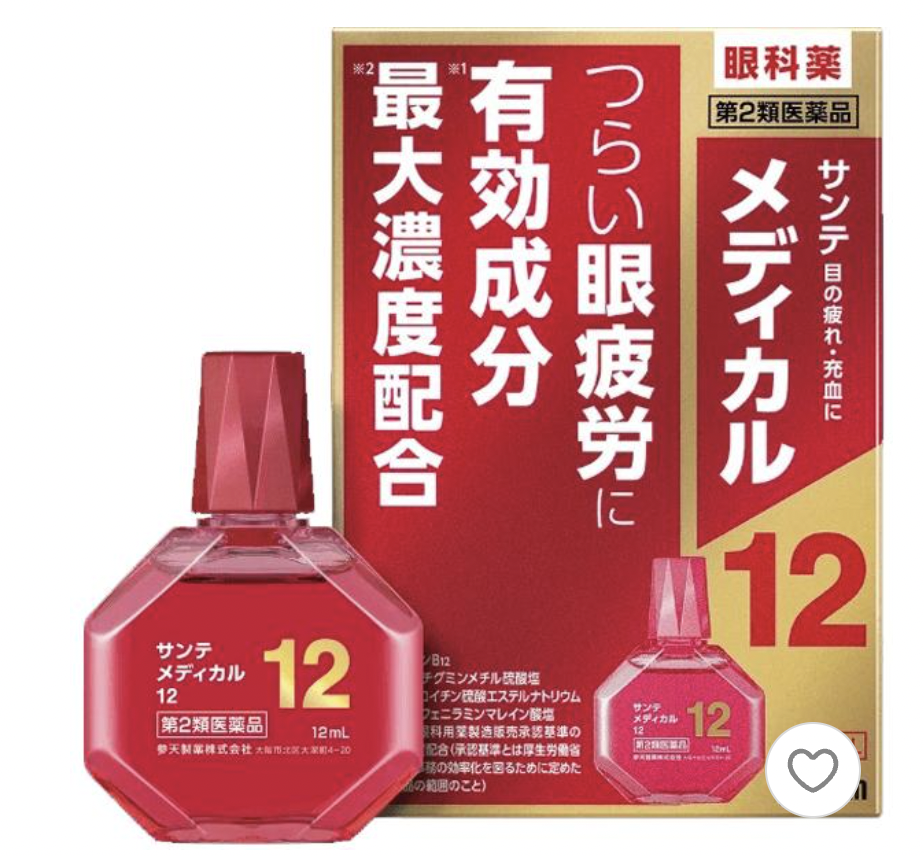
Highly recommended for anyone spending long hours in front of screens. Helps relieve eye strain and can even ease the kind of dull headache that builds up from tired eyes. The “12” refers to the 12 active ingredients — which tells you a lot about how seriously Japan takes eye drop formulation.
Cultural note: There’s a hierarchy of intensity in Japanese eye drops — from mild to “why does my face feel cold now?” Choose based on your tolerance. The packaging often color-codes strength levels, with blue/cool colors indicating higher intensity.
5. Pain Relief Patches — The Commuter’s Secret Weapon
Japan has a commuting culture that would make most people wince. Packed trains, long standing hours, heavy bags — shoulder and back tension is practically a national experience.
Enter: pain relief patches.
These aren’t your thick, medicinal-smelling patches from back home. Japanese pain relief patches (called shippou or cooling sheets) are thin, flexible, and provide a clean, cooling or warming sensation to sore muscles. They’re discreet enough to wear under a shirt to work — which a surprising number of people do.
Brands like Salonpas (Hisamitsu) are actually exported globally, but the domestic Japanese versions have a wider range of formulas and sizes. The large pack sizes available in drugstores are excellent value.
Who should buy these: Anyone planning to do a lot of walking (hello, Tokyo sightseeing), people with regular back or shoulder tension, or honestly anyone who just wants to understand why Japanese office workers look so relaxed despite their hours.
6. Lip Balm & Lip Care — The Humble Essential
Nothing dramatic here. Japanese lip balms are simple, effective, and affordable — which is exactly why they work.
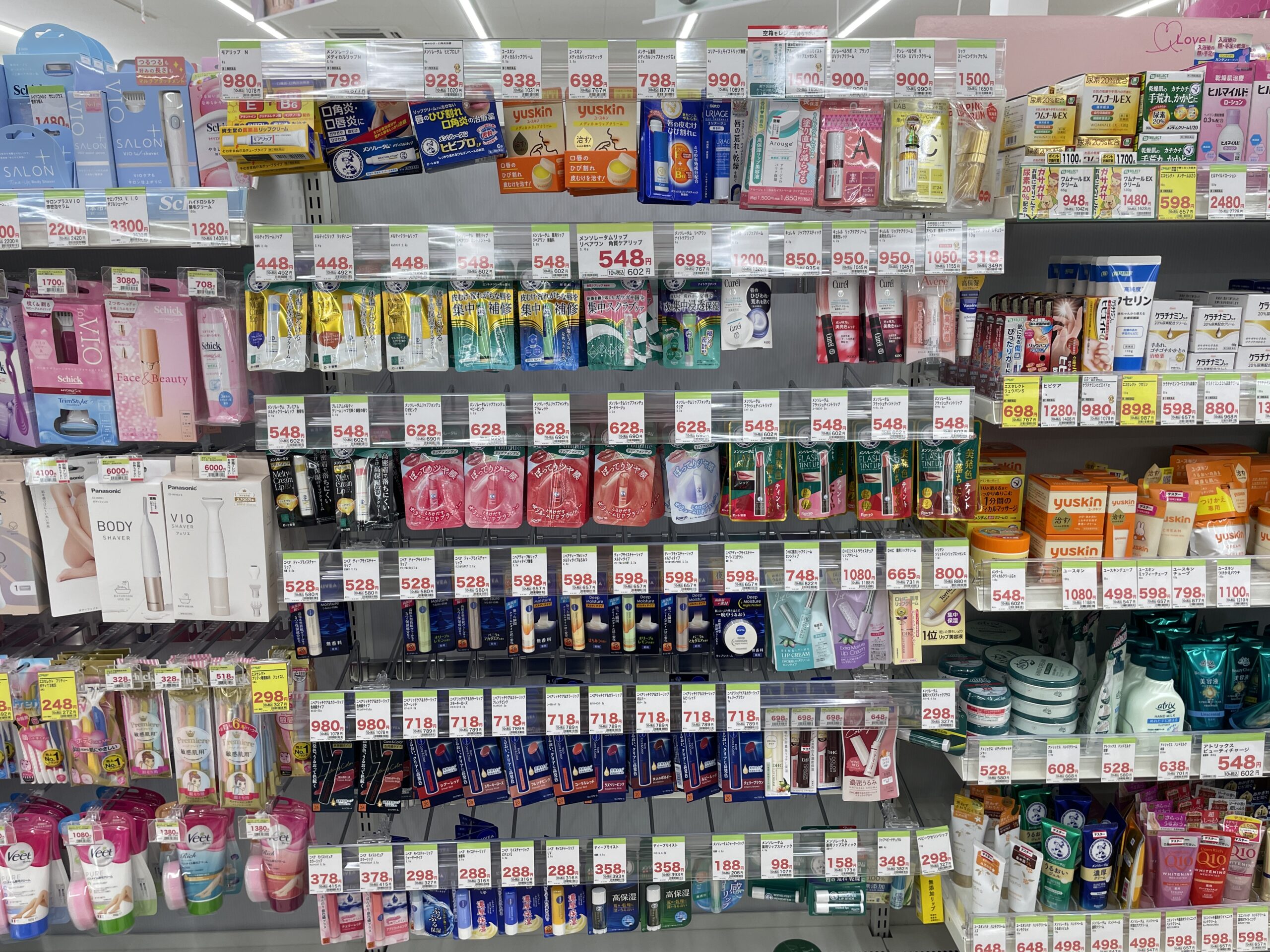
You’ll notice them near the checkout counter at most drugstores. That’s not an accident: they’re an impulse buy staple that also happens to be genuinely useful. Brands like Mentholatum (Rohto) and Shiseido make well-regarded options that are hard to find outside Japan.
In Japan’s dry winters (especially in cities like Tokyo and Sapporo), lip care becomes particularly important. Many locals grab a new one at the start of the cold season — which is why you’ll see seasonal packaging and flavors from around October–November.
They also make perfect, lightweight souvenirs. Easy to pack, useful for anyone, and genuinely Japanese in character.
7. Hair Care Products — Premium Feel at Drugstore Prices
Japanese shampoos and hair treatments occupy a strange, wonderful middle ground: they feel premium, but cost drugstore prices.
The formulas tend to focus on scalp health as much as hair appearance — which aligns with a broader Japanese wellness philosophy of treating the root cause, not just the surface. Many popular drugstore shampoos are sulfate-free, amino acid-based, or enriched with botanical ingredients.
Notable brands to look for:
- Moist Diane — beloved for its rich moisture line
- Tsubaki (by Shiseido) — camellia oil-based, iconic packaging — Official site
- Pantene Japan — significantly different formulas from international versions
The thing about Japanese hair care is that once you find your brand, you tend to stay with it. Locals often buy the same shampoo and treatment for years. That loyalty tells you something about how well these products tend to work.
8. Supplements & Vitamins — The Preventive Health Culture
Japan has a quietly strong health supplement culture, but it has a different philosophy from what you might expect.
The focus isn’t on fixing problems — it’s on prevention. Many Japanese people take supplements not because they feel bad, but because they want to maintain how they feel. Collagen drinks, vitamin C supplements, liver support, and beauty-focused formulas are everywhere.
The beauty supplement category is particularly Japanese: collagen drinks and tablets, placenta supplements (yes, really — it’s a big category here), and fermented ingredient capsules are all readily available and regularly purchased.
💡 What to look for: DHC is one of Japan’s most trusted supplement brands and has a huge range available at major drugstores. Their collagen and vitamin C products are consistently well-reviewed. 🔗 DHC Official Site
Note for travelers: Some supplements (particularly those containing specific herbal compounds or high-dose vitamins) may have import restrictions depending on your home country. If you’re buying in bulk, it’s worth checking your country’s rules for bringing supplements across borders.
9. Energy Drinks (Japanese Style) — It’s Not Red Bull
Japanese energy drinks are a category unto themselves — and they’re nothing like what you’re probably imagining.
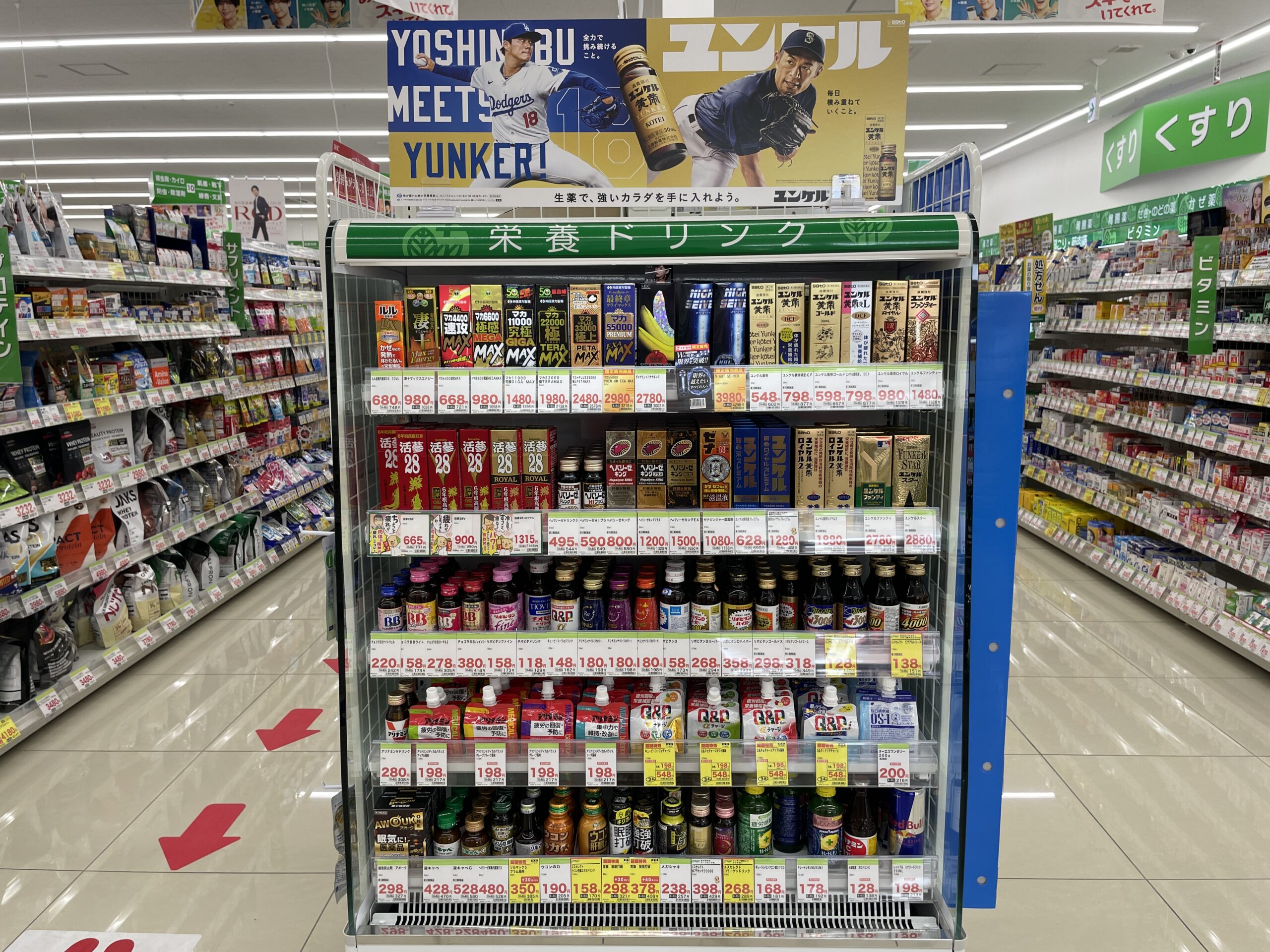
Forget large cans and neon colors. Japanese energy drinks typically come in small, pharmaceutical-style bottles (often around 100ml), sold near the pharmacy section rather than the snack aisle. They tend to focus on recovery and replenishment rather than just caffeine. Many contain taurine, vitamins, ginseng, and other ingredients aimed at reducing fatigue rather than just masking it.
The cultural context: these drinks are strongly associated with overwork recovery. You’ll see businessmen in suits grabbing one before a long meeting. Students drink them before exams. Night-shift workers use them to get through the second half of a shift.
It’s less “weekend party fuel,” more “this Monday might actually kill me.”
Popular options include Lipovitan D (classic, been around since 1962) and Yunker (a more herbal formula popular with older demographics).
🔗 Lipovitan Official Site (Taisho Pharmaceutical)
10. Drugstore Snacks — Don’t Skip This Section
This one surprises people, but please: don’t walk past the snack aisle.
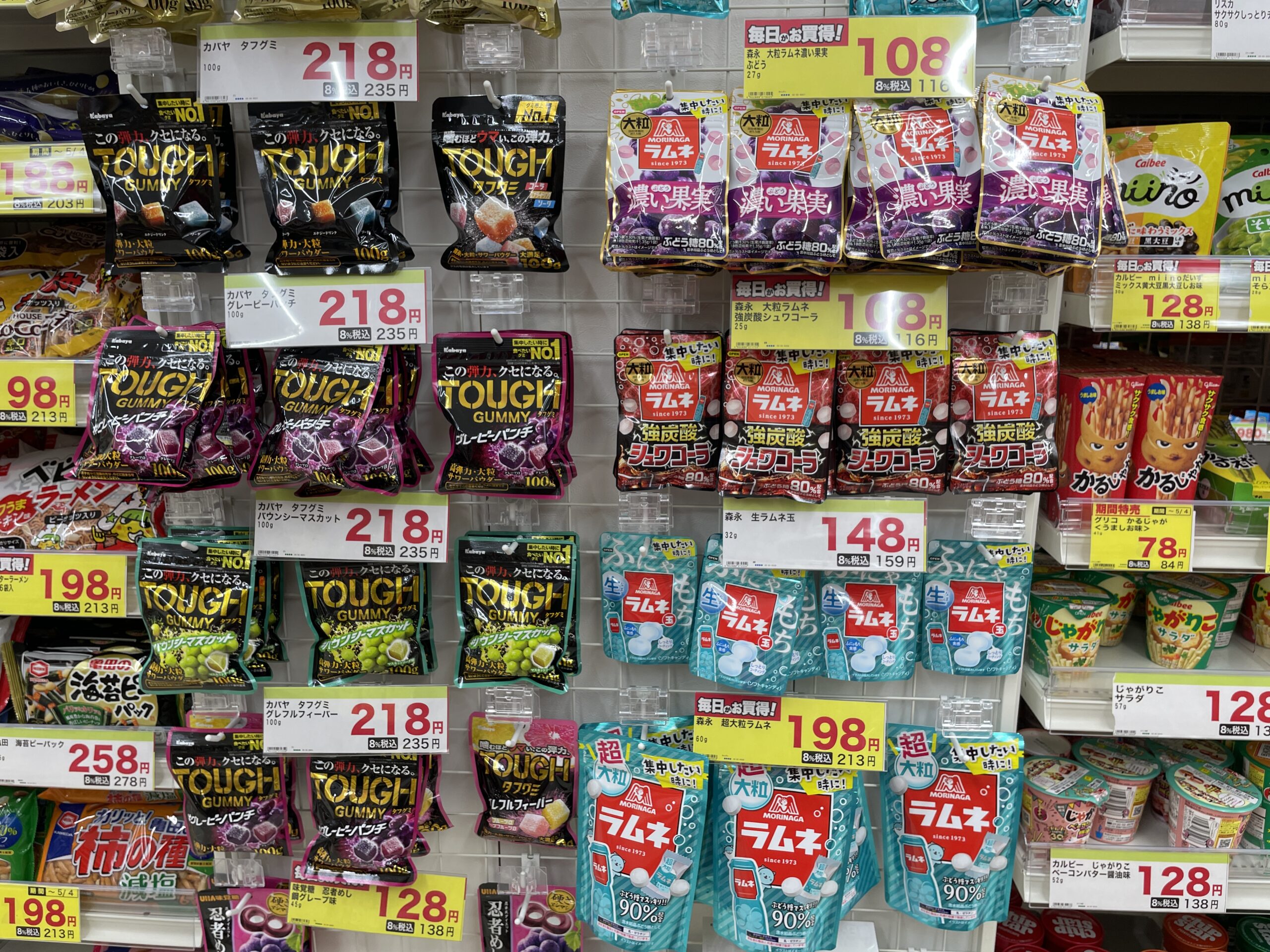
Japanese drugstores carry a surprisingly good selection of snacks — chocolate, gummies, crackers, and seasonal limited-edition items that you genuinely cannot find anywhere else. The snack section tends to stock health-forward options too: collagen gummies, vitamin-enriched chocolates, and low-sugar alternatives to popular treats.
The seasonal element is real and worth paying attention to. In spring, you’ll find cherry blossom (sakura) flavored versions of classics. In autumn, sweet potato and chestnut. These limited-edition seasonal products disappear fast, and locals know it — which is why you’ll see people grabbing seasonal snacks quickly when they appear.
If you’re visiting Japan during any seasonal transition, this is genuinely one of the best ways to experience it through food without having to hunt down a specialty store.
Pro tip: Japanese gummies deserve special attention. They tend to have better texture (firmer, more distinct flavors) than gummies in many other countries, and the range of flavors is remarkable.
🛒 Practical Tips for Drugstore Shopping in Japan (2026)
Before you go:
- Grab a basket immediately — You will need it. Trust the process.
- Check multiple stores — Prices can vary between Matsumoto Kiyoshi, Sun Drug, Cosmos, and local chains. Even a short walk can save you money on bulk purchases.
- Look for multi-buy deals — Japanese drugstores frequently run “3 for ¥1,000” style promotions on popular items. The deal is usually posted clearly on the shelf label.
- Tax-free shopping — Many major drugstores offer tax-free purchases for foreign visitors spending over ¥5,000. Bring your passport.
- Translation apps help — Google Lens or similar tools work well for reading ingredient labels. Most major chains now have bilingual labels on popular tourist items anyway.
- Opening hours — Many Japanese drugstores are open until 11pm or midnight. Some are 24 hours. This is genuinely useful information.
Major Drugstore Chains to Know
- 🔗 Matsumoto Kiyoshi (マツキヨ) — Probably the most recognizable chain; strong own-brand products
- 🔗 Sun Drug (サンドラッグ) — Often slightly cheaper than Matsukiyo; great bulk deals
- 🔗 Welcia (ウエルシア) — Strong in residential neighborhoods; loyalty card is worth getting if you’re staying long-term
- 🔗 Ain Pharmacy (アイン) — Often found in or near train stations; convenient for quick stops
❓ Frequently Asked Questions
Are Japanese drugstore products actually better than products from other countries?
For certain categories — particularly sunscreen, sheet masks, and eye drops — the quality-to-price ratio is genuinely exceptional. This is partly because Japan’s domestic beauty market is extremely competitive, which pushes brands to maintain high quality even at low price points. That said, “better” is subjective and depends on your skin type and preferences.
Can I bring Japanese drugstore purchases on a plane?
Most items are fine in checked luggage. Liquids (eye drops, serums, sunscreen) need to comply with your airline’s liquid rules for carry-on — the standard 100ml per container in a 1L bag applies. Supplements may have import restrictions depending on your home country, so it’s worth checking.
Do Japanese drugstore staff speak English?
It varies widely. Staff at stores in major tourist areas (Shinjuku, Akihabara, Shibuya) often have some English ability or access to translation tools. In more residential areas, it may be limited. A translation app or simply pointing at what you need works perfectly well in most situations.
What’s the best drugstore chain for tourists?
Matsumoto Kiyoshi and Ainz & Tulpe (a premium beauty-focused branch) are popular with tourists for their wide selection and tax-free services. Sun Drug and Cosmos tend to be better for value if you know what you’re looking for.
Final Thoughts
Japanese drugstores are one of those places that quietly become a highlight of a trip to Japan — even if you didn’t plan for it to be one.
They’re a window into everyday Japanese life. The products on the shelves reflect what people here actually care about: skin health, eye care, sleep, energy management, and looking after yourself without making it a big deal. It’s practical, it’s well-designed, and it’s surprisingly affordable.
So go ahead. Walk in. Tell yourself you’re just taking a quick look.
You know how this ends. 😄
📌 Quick Summary — 10 Must-Buys at Japanese Drugstores (2026)
- Sheet Masks (especially Keana Nadeshiko Rice Mask)
- Japanese Sunscreen (SPF50+ / PA++++)
- Foaming Face Wash
- Eye Drops (Sante Medical 12)
- Pain Relief Patches (Salonpas)
- Lip Balm
- Shampoo & Hair Treatment (Tsubaki, Moist Diane)
- Supplements & Vitamin Drinks (DHC)
- Japanese Energy Drinks (Lipovitan D)
- Seasonal Drugstore Snacks
Share your thoughts