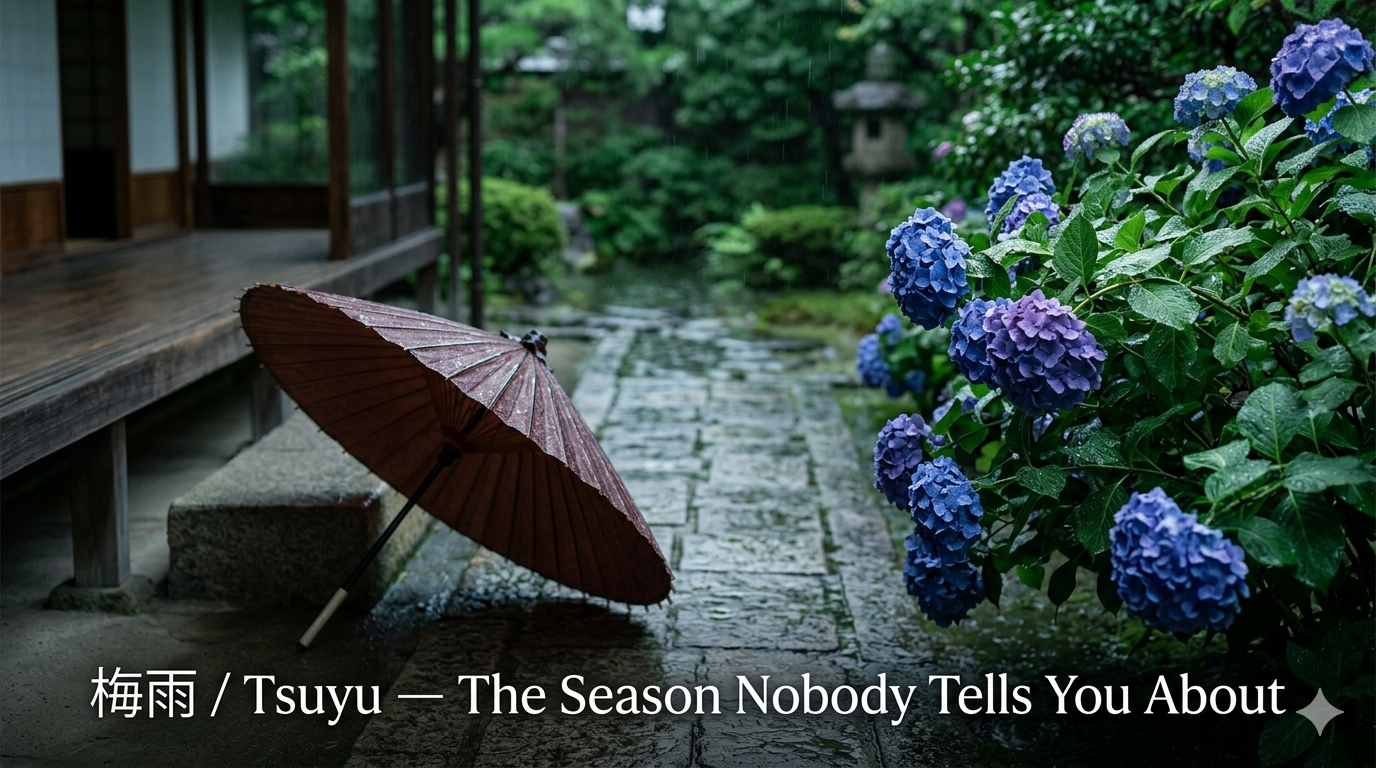
So you’ve decided to visit Japan in June or July. Maybe the flights were cheaper. Maybe you love the idea of lush green gardens and moody misty mountains. Or maybe you just didn’t realize what you were getting into. Either way — welcome to tsuyu (梅雨), Japan’s legendary rainy season. Don’t panic. With a little insider knowledge, you’ll not only survive it — you’ll actually love it.
Japan is a country of four dramatically different seasons, and each one transforms the landscape in its own way. Cherry blossoms in spring, fireworks in summer, fiery foliage in autumn, and serene snowscapes in winter. But there’s a fifth “season” that most travel guides quietly skip over: the rainy season. And honestly? That’s a shame. Because tsuyu has its own quiet, dripping, deeply atmospheric magic.
- ☔ What Is Tsuyu? The Basics of Japan’s Rainy Season
- ☂️ The Japanese Relationship With Umbrellas (It’s Complicated)
- 🌸 Why Tsuyu Is Actually the Best Time to Visit Certain Places
- 🍋 Rainy Season Foods: What to Eat During Tsuyu
- 🧳 Practical Survival Guide: Tsuyu Tips for Tourists
- ☀️ Planning Around the Weather: Useful Resources
- 💭 Final Thoughts: Reframe the Rain
☔ What Is Tsuyu? The Basics of Japan’s Rainy Season
Let’s start with the word itself. 梅雨 (tsuyu or baiu) — break it down and you get 梅 (ume, plum) + 雨 (ame, rain). Literally: “the rain that falls when plums ripen.” Beautiful, right? This isn’t just poetic license — it’s historically accurate. From late June into July, the countryside hillsides and rural gardens of Japan fill with ripe, golden-green plum fruits just as the skies open up. The timing has been reliably synchronized for centuries, and the Japanese named the whole season after it.
The rainy season typically arrives in Okinawa first (around mid-May), then creeps northeast across Honshu through June, finally reaching the Tohoku region in late June or early July. Most of central Japan — Tokyo, Kyoto, Osaka — gets hit in early to mid-June and the rain eases off sometime in mid-to-late July. The “official end” of tsuyu (tsuyu-ake, 梅雨明け) is actually announced by the Japan Meteorological Agency, which is very on-brand for a country that takes weather seriously.
🗾 Not All of Japan Gets Equally Wet
Here’s something most tourists don’t know: the rainy season is NOT equal across Japan. Geography plays a huge role in how much rain actually falls — and where.
- Hokkaido (北海道) — No tsuyu! That’s right. Japan’s northernmost main island largely skips the rainy season altogether. While there is rain in early summer, it lacks the thick, oppressive humidity of the tsuyu system. If you want summer greenery without the sweat, Hokkaido is your answer.
- Kyushu, Shikoku & the Kii Peninsula (Wakayama) — Brace yourself. These areas sit right in the path of warm, moisture-laden air sweeping up from the south. The Kii Peninsula in particular regularly sees record-breaking rainfall. We’re talking biblical amounts. Floods, landslides — it makes international news some years. If you’re heading to this region, check the forecast obsessively.
- Tokyo & Kyoto — The “standard” tsuyu experience. Grey skies, on-and-off drizzle, occasional downpours, and humidity that makes your hair do things you didn’t consent to. But very manageable with the right gear and mindset.
- Okinawa — Technically it has tsuyu too, but it tends to pass quicker, followed by beautiful early summer beach weather. Lucky them.
☂️ The Japanese Relationship With Umbrellas (It’s Complicated)
Let’s talk about umbrellas. If you’re from a country where adults routinely walk through moderate rain in a hoodie, maybe doing a little “it’s fine, it’s just water” shrug — Japan is going to be a cultural awakening for you.
Japanese people do not like getting wet. Full stop. There’s a deeply ingrained belief — partly practical, partly superstition — that being rained on leads to catching a cold. Even the faintest drizzle is enough to trigger an immediate, coordinated, city-wide umbrella deployment. Walk through Tokyo on a light-rain day and you’ll see a forest of umbrellas where other countries would see bare heads and jogging people.
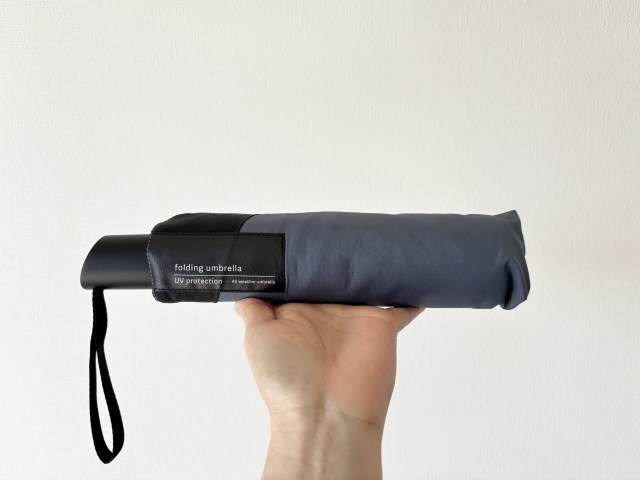
Most Japanese adults carry a folding umbrella (折り畳み傘, oritatami-gasa) in their bag at all times from May through July — just in case. Some offices even have umbrella stands near the entrance stuffed with spares for forgetful colleagues. It’s a whole lifestyle.
🔖 The Vinyl Umbrella: Japan’s Underrated Souvenir
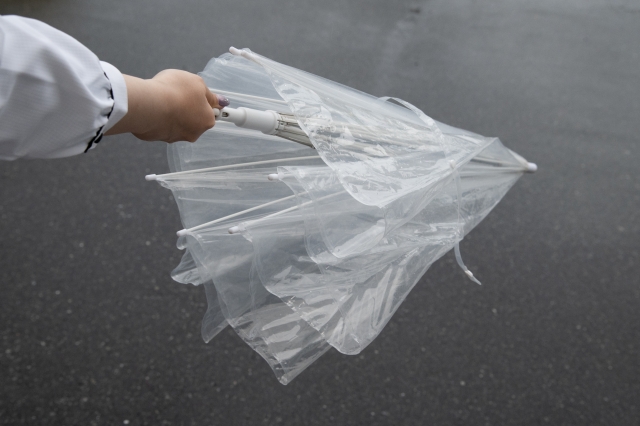
Here’s a tip that every budget traveler should know: the transparent plastic “vinyl umbrella” (ビニール傘, biniiru-gasa) sold at every convenience store in Japan is genuinely impressive. For somewhere between ¥500 and ¥800 — that’s roughly $3–5 USD — you get a sturdy, wind-resistant, fully transparent umbrella. In most countries, that price would get you something that turns inside-out the moment a breeze hits it. Not in Japan.
Tourists have started calling these a “hidden Japanese souvenir” because they’re cheap, practical, and very Japanese. You can even find them at 100-yen shops (¥100 shops like Daiso), though those are a bit flimsier. Pick one up at your nearest 7-Eleven, Lawson, or FamilyMart the moment the sky looks questionable.
🪣 Umbrella Etiquette: Yes, It’s a Thing
Japan has unwritten rules for almost everything, and umbrellas are no exception. A few to keep in mind so you don’t accidentally commit a social faux pas:
- Shake it before you go inside. Before entering a building, train, or shop, give your umbrella a good shake to remove excess water. Most buildings have a small mat near the entrance specifically for this purpose. Dripping through a department store is very much frowned upon.
- Use the umbrella bag. Many shops and supermarkets have a dispenser near the entrance with long plastic bags for wet umbrellas. Use it. This is one of those delightfully over-engineered Japanese solutions to a simple problem.
- Be spatially aware. Navigating a crowded Shinjuku street with an umbrella is basically a test of diplomacy. Keep it low, tilt it away from people taller or shorter than you, and for goodness sake, don’t poke anyone in the face.
- The umbrella stand (傘立て, kasa-tate) — Almost every restaurant, museum, and public building has one near the entrance. High-end establishments often have lockable umbrella stands with a key or tag system, because yes, umbrella theft is a real phenomenon in Japan. (Mostly vinyl umbrellas accidentally taken by other people, but still.) Use the lock if one is provided.
🌸 Why Tsuyu Is Actually the Best Time to Visit Certain Places
Here’s the thing nobody tells you: some of Japan’s most famous sights are genuinely more beautiful in the rain. We’re not just trying to make you feel better. We mean it.
💜 Hydrangeas (紫陽花, Ajisai) — The Queen of the Rainy Season
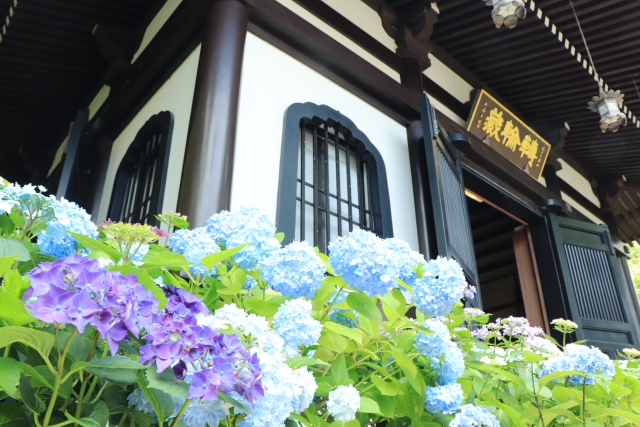
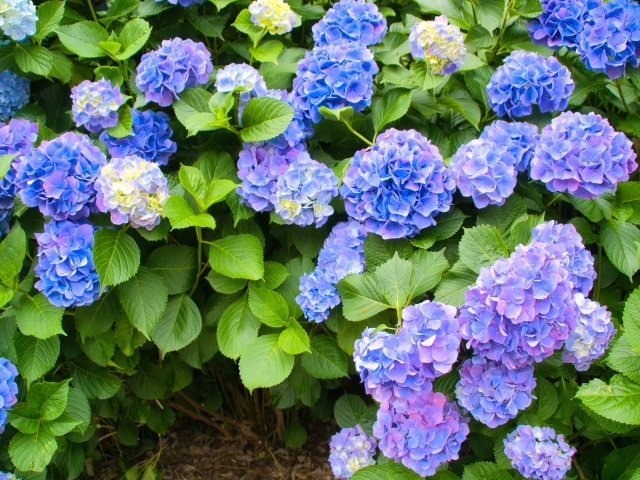
If there’s one symbol of tsuyu, it’s the hydrangea. These round, cloud-like clusters of blue, purple, pink, and white flowers are literally more vivid when wet. The rain deepens the colors, weighs the petals with tiny water droplets, and turns a garden into something out of a fairy tale. Tsuyu without ajisai is like hanami without cherry blossoms — incomplete.
Top spots to see ajisai:
- Hasedera Temple (長谷寺), Kamakura — Perhaps the most famous ajisai spot in Japan, with thousands of hydrangeas lining the hillside paths. Peak season is mid-June. Expect long lines, but it’s worth it. 👉 hasedera.jp
- Mimuroto-ji Temple (三室戸寺), Kyoto — Over 10,000 ajisai bushes across the temple grounds, alongside lotus flowers. Very photogenic, slightly less crowded than Kamakura. 👉 mimurotoji.com
- Hakone Tozan Railway (箱根登山鉄道) — This famous mountain railway runs through tunnels of hydrangeas on its steep climb. The combination of misty mountains, a vintage-style train, and walls of blue flowers on either side is genuinely cinematic. 👉 hakone-tozan.co.jp
🌿 Moss Gardens (苔寺) — Wetter Is Better
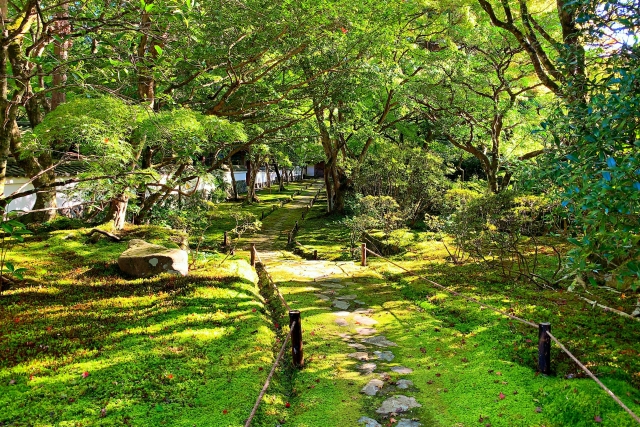
This one is for the serious aesthetes among you. Kyoto’s Saiho-ji Temple (西芳寺), also known as “Koke-dera” (Moss Temple), is widely considered one of the most beautiful gardens in Japan — but it reaches its peak during tsuyu. The rain brings the moss to life in a green so deep and vivid it almost looks digitally enhanced. Visiting requires advance reservation, which is actually part of its charm — it keeps crowds down and the atmosphere meditative.
👉 saihoji-kokedera.com (reservation required)
Similarly, the gardens of Shinjuku Gyoen in Tokyo take on an entirely different quality in the rain — emptier, quieter, and with that particular moody grey light that makes green look impossibly saturated.
🍋 Rainy Season Foods: What to Eat During Tsuyu
Japan’s food culture is intensely seasonal, and tsuyu is no exception. Two themes dominate: plum everything, and cool, refreshing dishes to combat the humidity.
🫙 Plum Season: Ume (梅) in All Its Forms
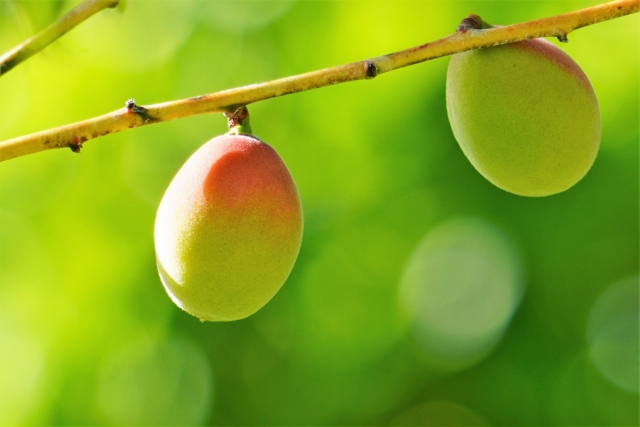
Remember how the word “tsuyu” literally means “plum rain”? This is why. The Japanese green plum (ume) ripens and is harvested right around the start of the rainy season, and Japanese families — and increasingly, craft producers and restaurants — go all in on plum products.
- Umeboshi (梅干し) — Pickled salted plums. Sour, salty, intensely flavored. Essential in onigiri (rice balls) and a staple of the Japanese diet for over a thousand years. Try one. Either you’ll love it immediately or it’ll take a few attempts. There’s rarely a middle ground.
- Ume Sour & Ume Soda — A refreshing plum-based drink, available at most izakayas. Sweet, tart, and perfect for a humid evening.
- Umeshu (梅酒, plum wine) — Made by steeping ume in shochu and sugar, umeshu is a deeply beloved Japanese liqueur. You’ll find it served over ice, with soda, or as a long drink. It tastes like a more interesting, less cloying fruit brandy. Many Japanese households make their own in June — you can even find plum wine-making workshops in some rural areas if you want to take a bottle home.
- Ume Syrup (梅シロップ) — The non-alcoholic version. Mixed with sparkling water, it’s one of the most refreshing drinks you’ll have all summer.
🍜 Cool & Refreshing: Beating the Humidity One Slurp at a Time
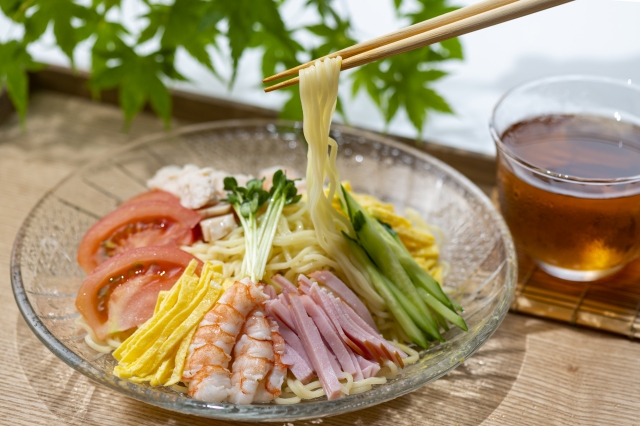
Tsuyu is hot. And humid. Uncomfortably humid in a way that makes your phone screen foggy and your spirits slightly damp. The Japanese culinary response to this is to eat foods that are cold, slippery, and easy to swallow quickly.
- Hiyashi Chuka (冷やし中華) — Cold ramen-style noodles served with colorful toppings (ham, cucumber, egg, crab stick) in a tangy sesame or soy dressing. One of the great joys of Japanese summer. Restaurants hang signs outside when they start serving it — treat the first sighting as a seasonal milestone.
- Somen (素麺) — Very thin white wheat noodles served ice-cold with a simple dipping broth. Elegant, minimal, deeply satisfying on a muggy day. Sometimes served flowing down bamboo channels of cold water (nagashi somen), which is as fun as it sounds.
- Kuzukiri (葛切り) — Translucent noodles made from kudzu starch, usually served cold with black syrup (kuromitsu) for dessert. Chewy, cool, and with a texture that’s genuinely unlike anything in Western cuisine. Very easy to like.
- Kakigori (かき氷) — Shaved ice with flavored syrup. Not technically tsuyu-specific, but when it’s 85% humidity and 30°C, a cup of finely shaved ice with matcha syrup and sweet condensed milk is basically salvation.
🧳 Practical Survival Guide: Tsuyu Tips for Tourists
Alright. Let’s get practical. Here’s everything you need to know to not just survive, but thrive during Japan’s rainy season.
🧺 Embrace the Coin Laundry

Japan’s coin-operated laundromats (koin randori, コインランドリー) are genuinely excellent. The dryers in particular are powerful, fast, and found in almost every neighborhood. When your clothes get soaked through — and they will — don’t suffer in damp misery. Find your nearest coin laundry (Google Maps is great for this), dump everything in a dryer for ¥100 per 10 minutes, and use the time to drink a canned coffee from the vending machine next door. Very local. Very efficient.
👟 Protect Your Shoes (Seriously)
Wet shoes left overnight become unpleasant shoes very quickly in the humid Japanese summer. The Japanese life-hack here is simple and brilliant: stuff wet shoes with newspaper and leave them in a ventilated spot. The newspaper absorbs moisture far faster than just air-drying. If you don’t have newspaper (few tourists do), silica gel packets or a small travel shoe dryer work well too. Whatever you do, don’t just leave them damp — you’ll be deeply unhappy the next morning.
Also: consider packing waterproof shoes or sandals for this trip rather than your nicest sneakers. Or grab a cheap pair of rain-friendly shoes once you arrive — Japan’s variety shops and discount footwear stores have good options.
🛍️ Department Store Hospitality (Omotenashi in the Rain)
Japan’s department stores are famous for their service, and tsuyu gives them an extra chance to show off. Many high-end depato will offer to wrap your shopping bags in a waterproof plastic cover before you leave — unprompted. Some provide this at the exit on rainy days. It’s a small thing, but it’s so thoughtful that first-time visitors often find themselves genuinely moved by it. Don’t refuse. Accept graciously and add it to your mental list of “reasons Japan is quietly incredible.”

🦟 Watch Out for Mosquitoes
Here’s one nobody puts on the tourism poster: tsuyu is mosquito season. The warm, wet conditions are absolutely ideal for them. Standing water accumulates quickly, and in parks and garden areas especially, you’ll want to bring insect repellent. Japanese convenience stores and pharmacies sell excellent mosquito repellent patches, sprays, and wristbands — Mushuda and Kincho are reliable brands. The portable electric mosquito coil devices (katori senko, 蚊取り線香) are also very effective for outdoor dining situations.
🗓️ Booking and Crowds: Silver Linings
Here’s a genuinely good reason to visit Japan during tsuyu: it’s off-peak. The golden week crowds (late April to early May) are gone. The summer holiday rush hasn’t started yet. Hotel prices are lower. Popular tourist spots are calmer. On a drizzly Tuesday in Kyoto, you can walk through Arashiyama bamboo grove with a fraction of the usual crowd. The temples are quieter. The experience is more contemplative. Sometimes the rain is doing you a favor.
☀️ Planning Around the Weather: Useful Resources
The Japan Meteorological Agency (気象庁) is the official authority on all things weather in Japan, including the official start and end dates of tsuyu each year. Their English site is surprisingly user-friendly:
👉 Japan Meteorological Agency (English)
For day-to-day forecasts, the Weather News app (ウェザーニュース) is widely used in Japan and has an English option. It gives hyperlocal forecasts and often predicts rain to the hour, which is extremely useful when you’re trying to decide whether to visit an outdoor garden this morning or this afternoon.
💭 Final Thoughts: Reframe the Rain
Tsuyu gets a bad reputation, and that’s mostly because people compare it to their ideal vision of sunny Japan — the postcards, the blue-sky Tokyo skyline shots, the golden hour at Fushimi Inari. That version of Japan is real and wonderful. But it’s not the only version.
The rain-soaked Japan — the steamed-up train windows, the hydrangeas heavy with water, the sound of rain on a temple roof, the smell of petrichor mixing with green tea and old wood — that Japan is just as real, and arguably more intimate. Fewer tourists, quieter shrines, better prices, and a chance to see how real Japanese people actually navigate their lives rather than performing for a camera.
Buy your vinyl umbrella at the konbini. Learn to shake it properly before going inside. Order hiyashi chuka when you see the sign. Make peace with the humidity. And look up at the hydrangeas in the grey light and think: yeah, this is pretty good.
That’s how you enjoy tsuyu like a local. 🌧️☂️🌿
🔗 Quick Reference Links
- Japan Meteorological Agency — Official tsuyu start/end dates & forecasts
- Hasedera Temple, Kamakura — Famous ajisai (hydrangea) viewing
- Mimuroto-ji Temple, Kyoto — 10,000 hydrangea bushes
- Hakone Tozan Railway — Scenic train through hydrangeas
- Saiho-ji (Moss Temple), Kyoto — Stunning moss garden, advance reservation required


Share your thoughts