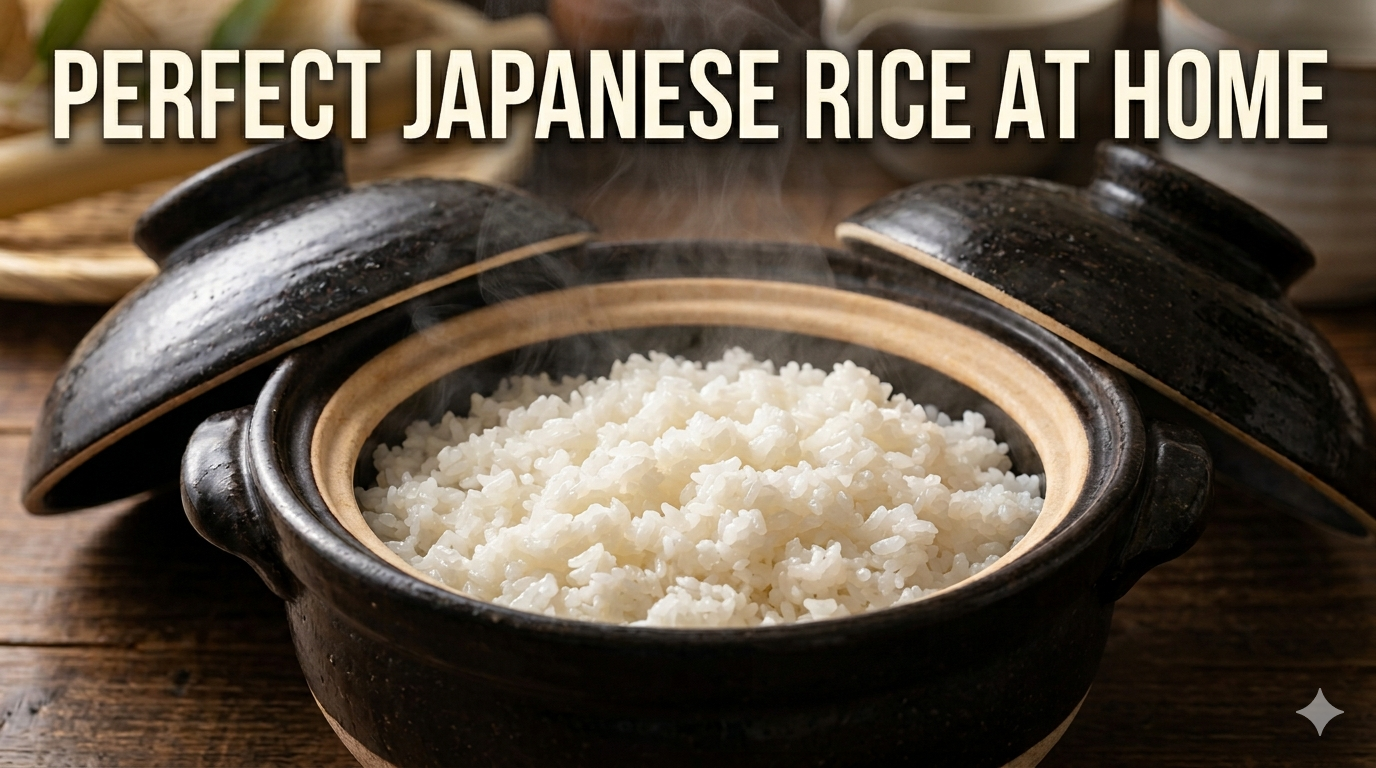
For everyone who came to Japan and got completely obsessed with the rice.
Let me guess.
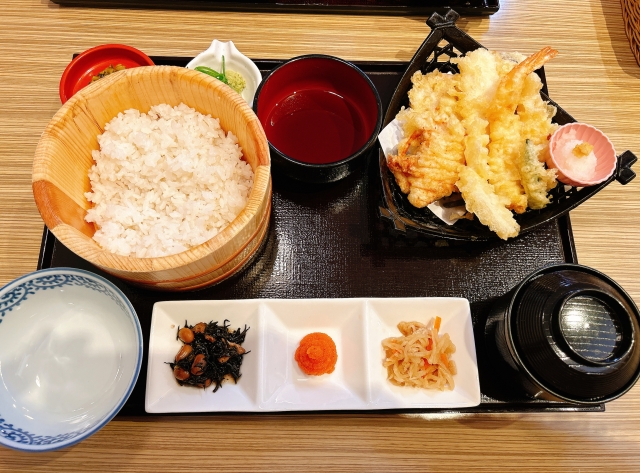
You visited Japan. You sat down somewhere — maybe a tiny teishoku restaurant, maybe a convenience store corner, maybe someone’s home — and you ate a bowl of plain white rice.
And something happened.
It wasn’t just rice. It was perfectly cooked, slightly glossy, each grain standing on its own, mildly sweet, somehow more satisfying than anything you’ve eaten in weeks rice. And now you’re back home, staring at your sad, mushy, forgettable rice, and wondering what went wrong.
Nothing went wrong with you. Japanese rice is just on another level.
The good news: you can make it at home. No rice cooker required. Just one pot, a little patience, and the right technique.
Let’s talk about it.
Step 0: You Need the Right Rice
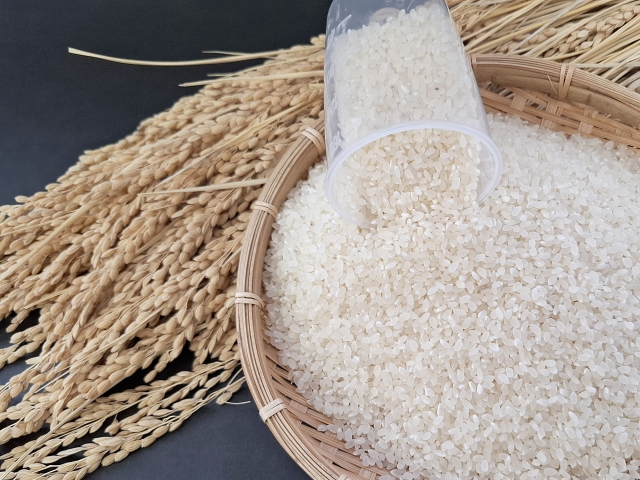
Before anything else — the rice matters.
Japanese people eat round rice (short-grain rice). It’s the variety that gets slightly sticky when cooked, with a gentle sweetness and a satisfying chew. This is not the same as the long-grain rice that comes out fluffy and separate. That’s a different dish for a different day.
If you can find Japanese short-grain rice at an Asian grocery store near you — grab it. That’s your best option.
If you can’t find it? A mix of jasmine rice + a small amount of glutinous rice (mochi rice) gets you closer than you’d think. It’s not identical, but it’s a solid workaround.
The goal: not dry, not mushy. A little sticky, a little chewy. If it passes that test, you’re on the right track.
The Two Rice Varieties You’ll Hear About in Japan
Japan takes rice very seriously. Like, there are over 300 registered rice varieties in the country, and breeders are releasing new ones almost every year. It’s basically the wine world, but for carbohydrates.
Out of all of them, two names come up constantly:
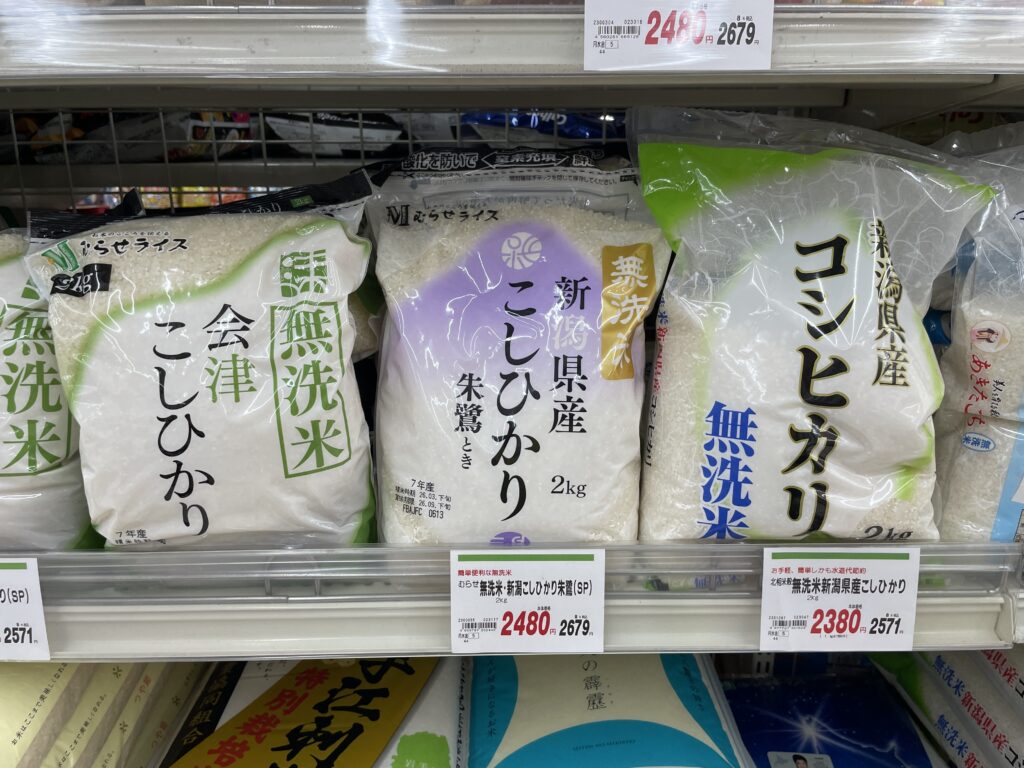
Koshihikari (コシヒカリ) The superstar. The most famous and widely eaten rice in Japan. Slightly sticky, noticeably sweet, and — this is the part that impresses me — it tastes just as good cold as it does hot. That’s why it’s used for onigiri. It holds its shape and flavor even after cooling down.
Sasanishiki (ササニシキ) The old-school classic. Less sticky than Koshihikari, lighter in texture, and it practically melts in your mouth. It used to be the most popular variety in Japan, but Koshihikari eventually took over. These days Sasanishiki is a bit harder to find — which somehow makes it feel more special when you do.
If you’re buying Japanese rice abroad, Koshihikari is the one you’re most likely to find. And it’s an excellent choice.
What You Need (For 2 Servings)
No rice cooker. Just a pot.
A general note before we start: cooking a larger batch actually tastes better — the steam distributes more evenly. But for this guide, we’re doing 2 servings, which is a great starting point.
One bowl of cooked rice is about 150g. Since rice absorbs water and expands to roughly 2.2–2.3x its original weight when cooked, you need about 65g of uncooked rice per person.
For 2 people: 130g of uncooked rice
Water ratio (by weight):
| Texture | Water |
|---|---|
| Slightly firm | ~160ml |
| Standard | ~180ml |
| Slightly soft | ~195ml |
Start with 180ml if you’re not sure. You can adjust from there once you know how your pot behaves.
How to Cook It — Step by Step
① Measure your rice
130g for 2 people. Use a kitchen scale if you have one — eyeballing it is fine eventually, but precision helps when you’re learning.
② Wash the rice
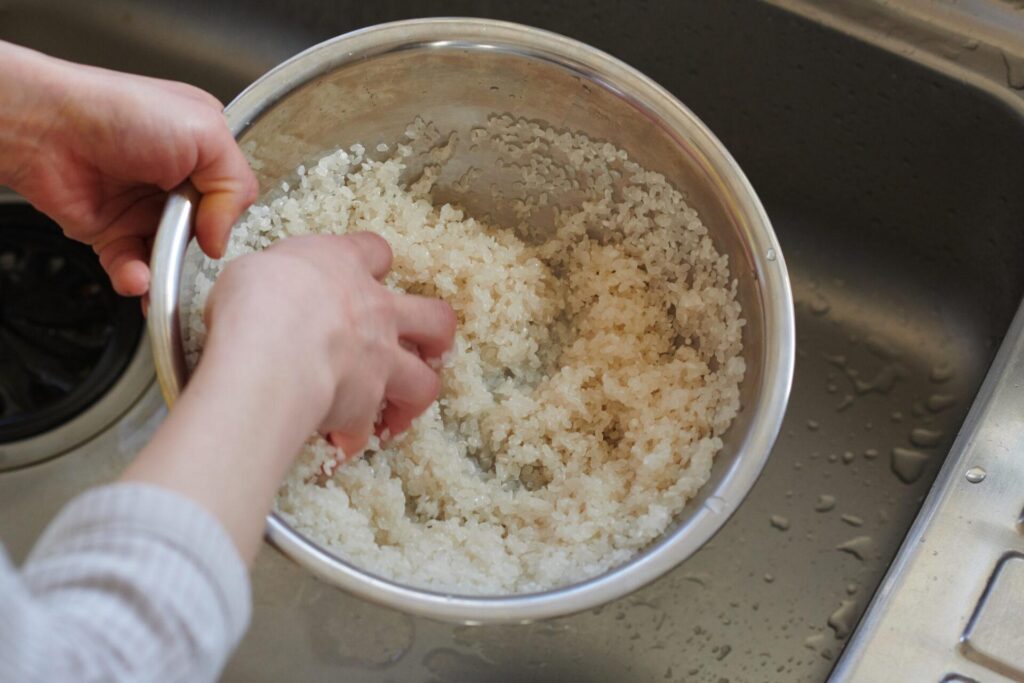
Put the rice in a bowl. Add cold water. Swirl it around — the water will immediately turn cloudy white. Pour that water out right away. That first rinse water is the most starch-heavy, and you don’t want it sitting with the rice.
Then: gently rub the grains together with your hands. Rinse and repeat 2–3 more times until the water runs mostly clear. You don’t need it to be perfectly transparent — close enough is fine.
③ Soak the rice
Add fresh water and let the rice sit for 20–30 minutes. This step is easy to skip and easy to regret. The soaking allows the grains to absorb water evenly before heat is applied, which means they cook more consistently. Don’t skip it.
④ Add your cooking water
Drain the soaking water. Add fresh water — about 180ml for a standard texture (adjust based on the table above).
⑤ Cook
Put the pot on medium heat. Leave the lid on. Wait for it to boil — you’ll hear it and maybe see steam. Once it’s boiling, turn the heat to low and cook for 10 minutes. Then turn off the heat completely and leave the lid on for another 10 minutes to steam.
Do not lift the lid during cooking. I know it’s tempting. Don’t.
⑥ Steam and fluff
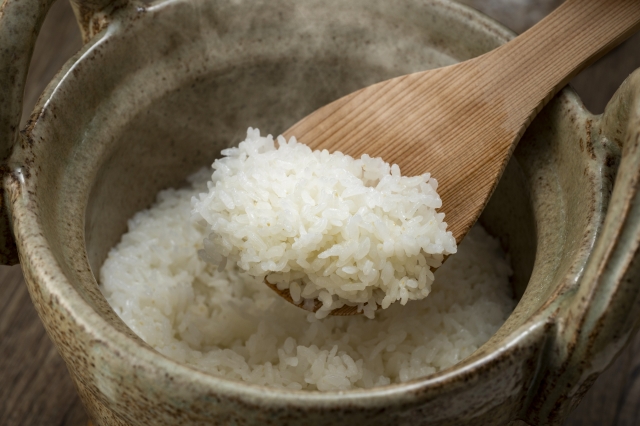
After the 10-minute rest, open the lid. Use a rice paddle (or a wide spatula) to gently fold and fluff the rice from the bottom up. Don’t stir or mash — just a few gentle folds to release steam and separate the grains.
The three things that matter most: wash, soak, steam. If you remember nothing else, remember those three.
“The Rice Is Standing Up” — A Japanese Compliment
In Japan, when someone cooks rice really well, people say:
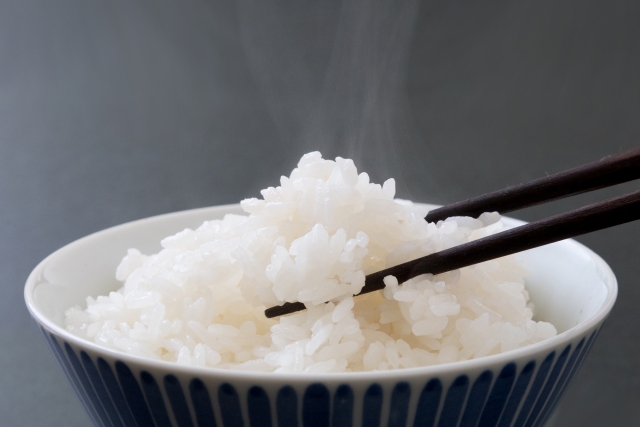
「このご飯、米が立ってておいしい」 “This rice — the grains are standing up. It’s delicious.”
It means each grain kept its shape. Not crushed. Not mushy. Just individual, firm, glossy grains, each doing their own thing, collectively making something wonderful.
That’s the goal. That’s what you’re aiming for.
When you open the lid and the steam rises and the grains look like tiny, separate, glistening little pillars — you’ll know you got it right.
What to Bring Back from Japan (So You Can Do This Properly at Home)
You’ve mastered the rice. Now you need the accompaniments. Here’s what to grab before you leave Japan:
Furikake (ふりかけ) Furikake is a dry seasoning that you sprinkle directly on top of white rice. That’s it. That’s the whole dish. And it’s incredible.
There are dozens of varieties — sesame, salmon, shiso, plum, egg — and the supermarket aisle dedicated to furikake is genuinely one of the more overwhelming grocery experiences in Japan. My personal recommendation:
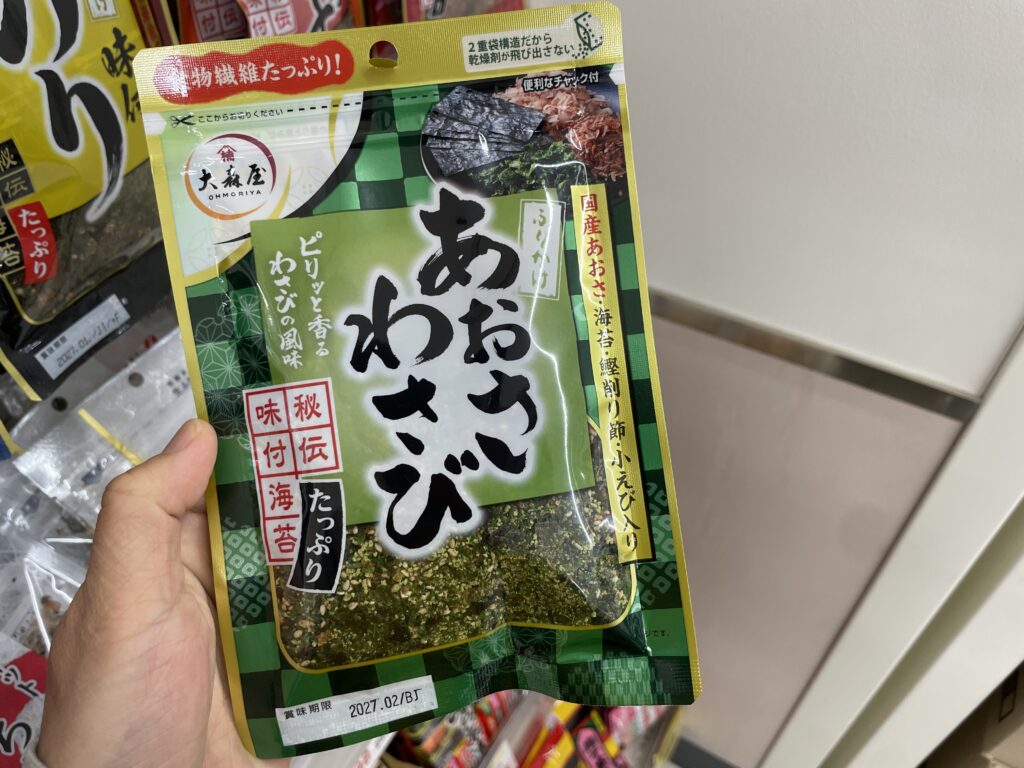
wasabi furikake. Yes, the same wasabi from sushi. Sprinkled on hot rice, it gives this sharp, sinus-clearing hit that is completely addictive. If you want something more family-friendly,
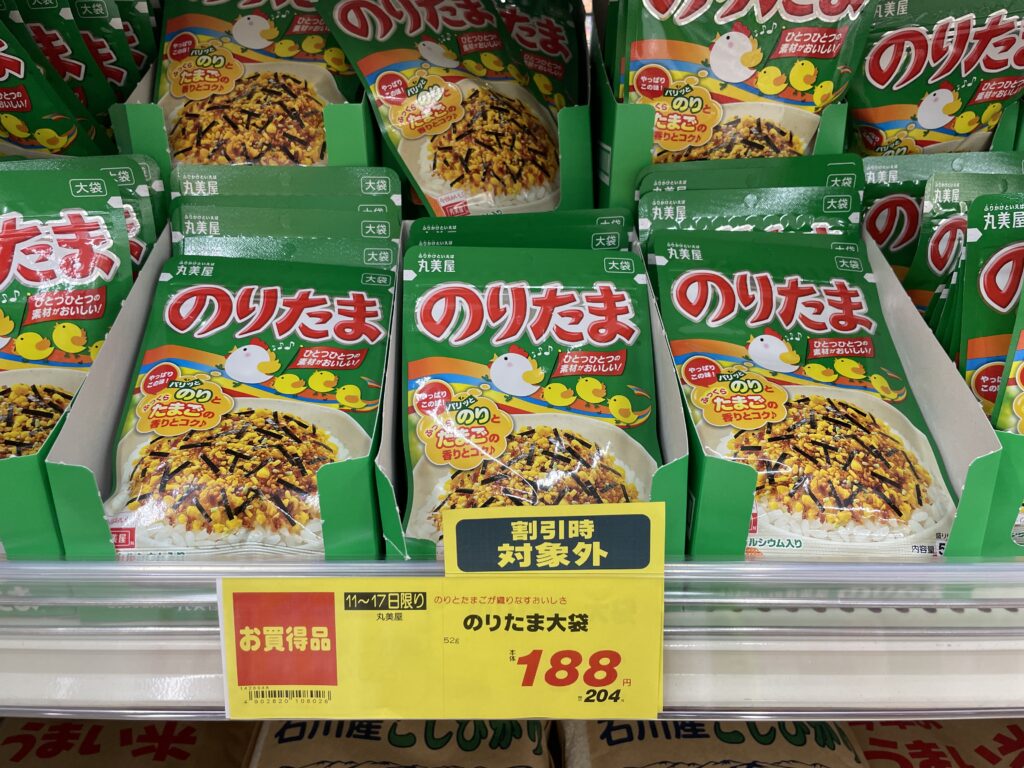
Noritama (seaweed + egg) is a Japanese childhood classic that adults love just as much.
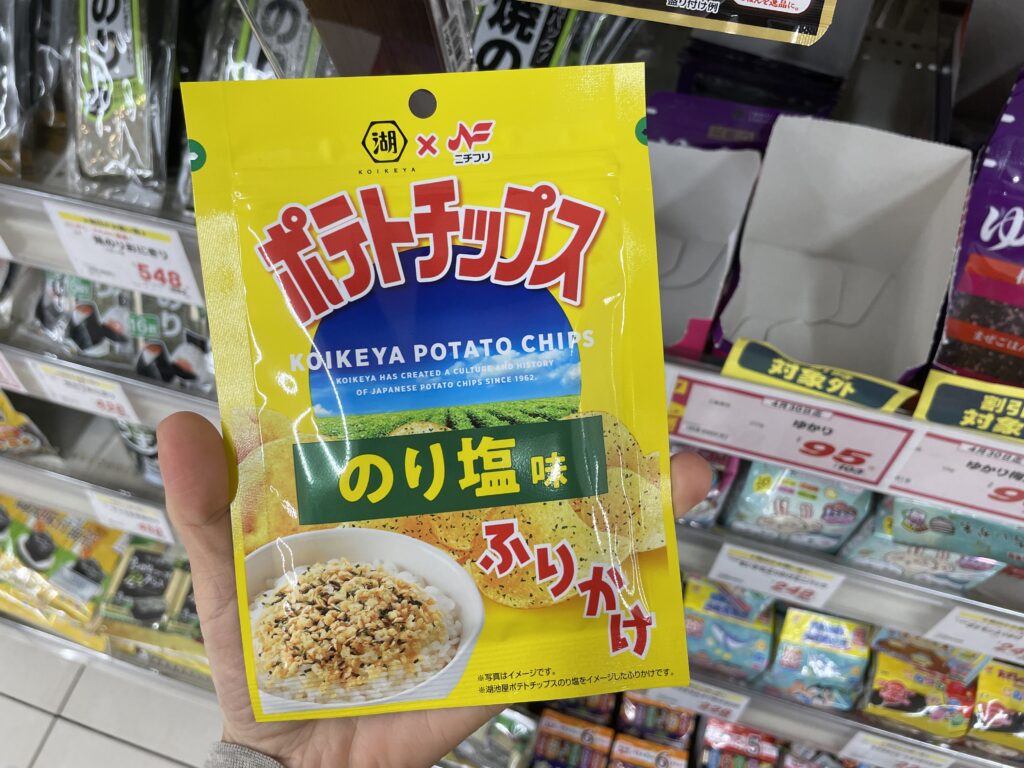
Nori Shio Potato Chips Furikake
A dangerously snackable seasoning inspired by Japan’s iconic seaweed-salt potato chips. Salty, crispy, and deeply addictive — it turns a simple bowl of rice into something you didn’t plan to finish, but will.
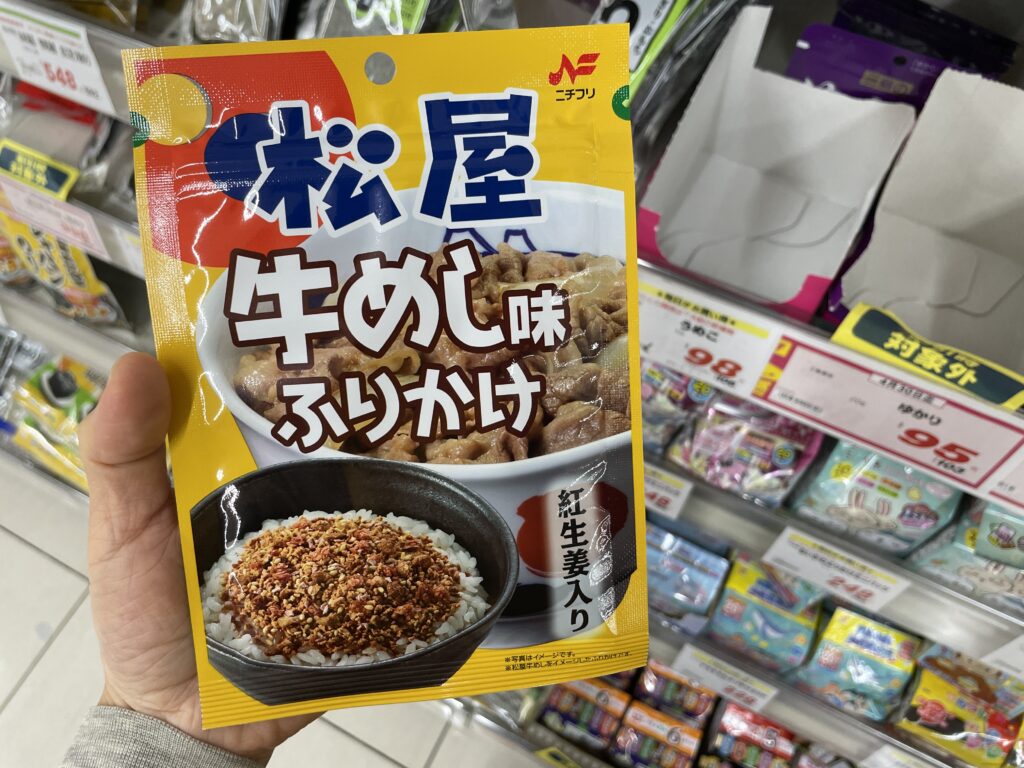
Matsuya Gyumeshi Furikake
Based on the famous beef bowl from Matsuya, this one brings sweet-savory soy sauce flavor with a rich beefy kick. It’s basically instant comfort food — just add rice and you’re there.
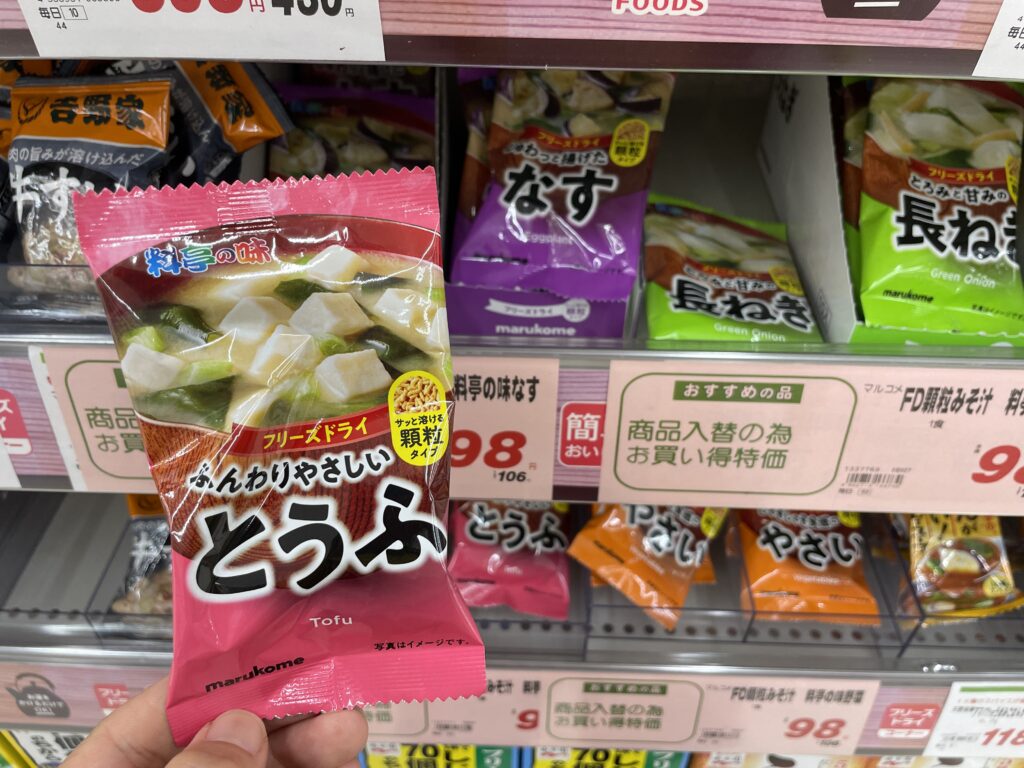
Instant miso soup (インスタント味噌汁) Rice’s best friend is miso soup. And the instant version from Japan is actually good — not a pale imitation, but genuinely close to the real thing. You just pour hot water in and it’s done. It’s also light, compact, and easy to pack, which makes it one of the best souvenirs you can bring back. People always underestimate it. Don’t underestimate it.
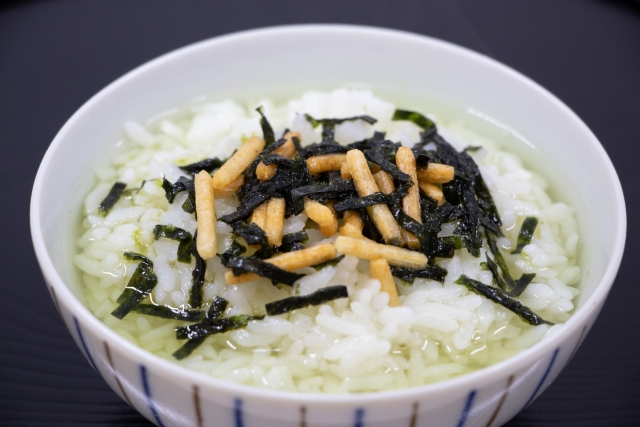
Ochazuke (お茶漬け)
If you want to bring Japan home with you, this is one of the easiest ways to do it. Instant ochazuke — like the ones from Nagatanien — comes in small packets you can take anywhere. You just sprinkle it over rice and pour hot water. That’s it. No tea, no dashi, no effort.
Inside the packet is everything: seasoning, seaweed, little crunchy bits, and that signature savory flavor. The rice softens, the broth forms instantly, and suddenly you have something warm, comforting, and unmistakably Japanese.
It’s simple, it travels well, and it somehow turns a plain bowl of rice into a proper meal. Perfect for when you’re back home and missing Japan just a little too much.
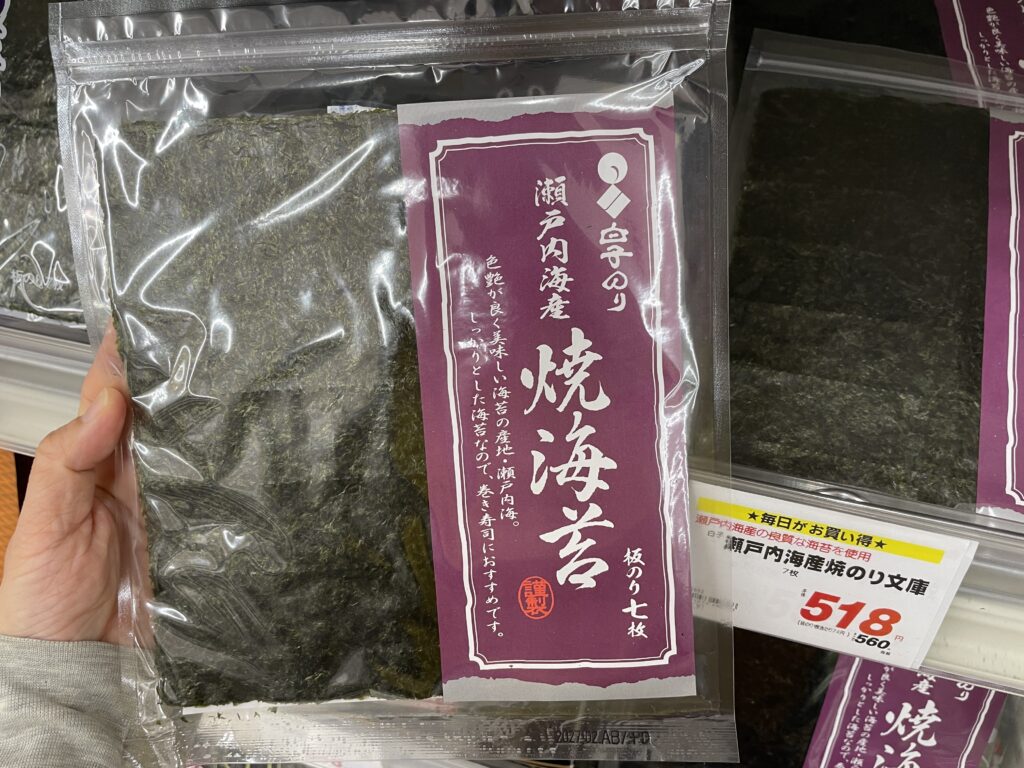
Nori (海苔) Japanese nori is on a different level from what you’ll find outside Japan. Once you’ve tasted the real thing — that thin, crispy, slightly briny sheet with proper umami — it’s hard to go back to the imported stuff. In Japan, people dip nori in soy sauce and wrap it around a small bite of white rice. No other seasoning needed. It sounds almost too simple. It is absolutely not too simple. It’s one of the best things you can eat.
Final Thought
White rice in Japan isn’t a side dish. It’s not filler. It’s the thing the whole meal is built around.
Once you understand that — once you taste rice where the grains are actually standing up, where the sweetness is there without any added sugar, where each bite is somehow satisfying in a way that’s hard to explain — you start to get it.
You don’t need a rice cooker. You need good rice, the right water ratio, and the patience to let it steam without lifting the lid.
Wash it. Soak it. Steam it.
Then sprinkle some wasabi furikake on top, pour yourself a miso soup, and sit down.
Japan came home with you. 🍚


Share your thoughts