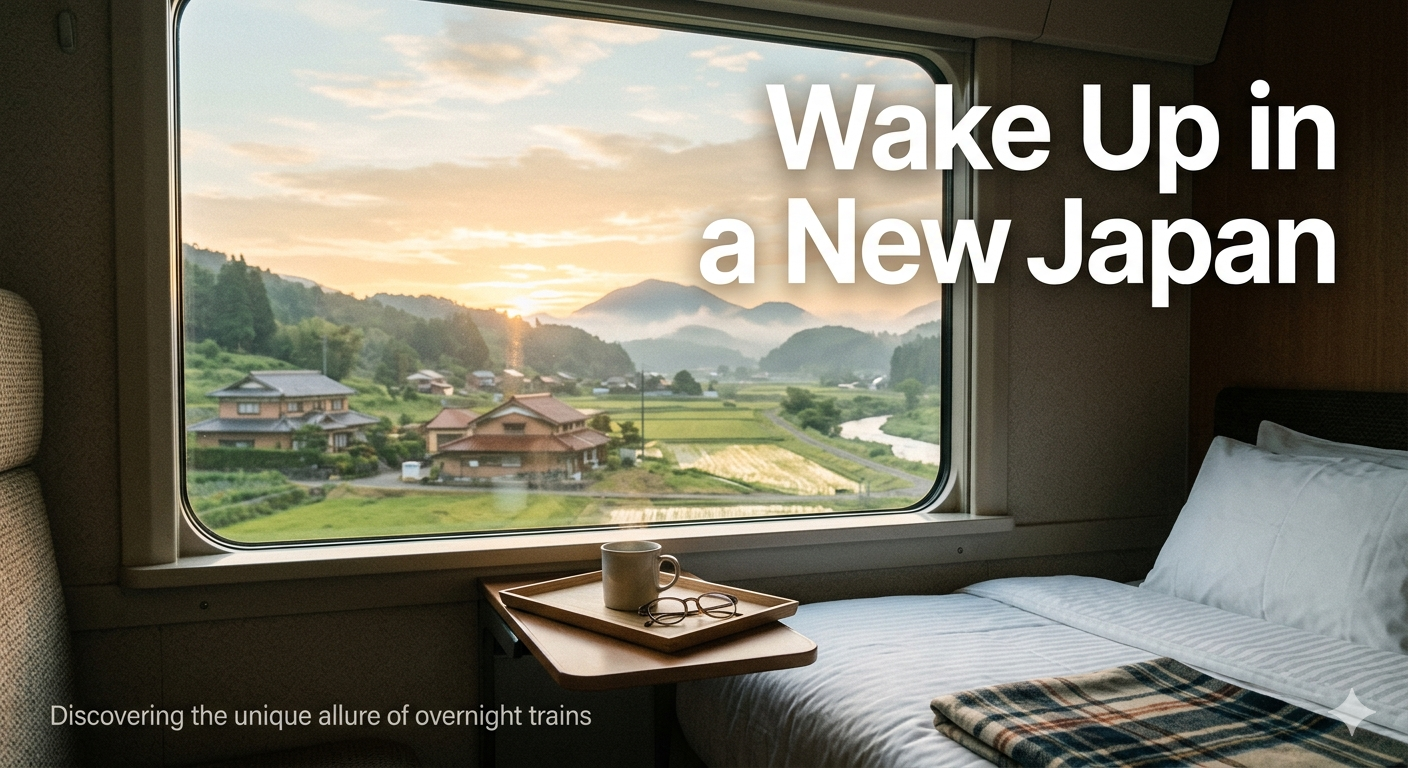
Let’s be honest. You’ve done the bullet train. You’ve stared out the window at Mount Fuji while eating a shinkansen bento at 300 km/h. Impressive? Absolutely. But have you ever considered sleeping your way across Japan?
No, not literally on a bench at Tokyo Station (though we’ve all been tempted after one too many craft beers in Shinjuku). We’re talking about Japan’s legendary sleeper trains — a dying art form in most of the world, but in Japan? Still very much alive, and elevated to something approaching a religious experience.
While European night trains will get you from A to B with a plastic pillow and the faint smell of mystery, Japan’s overnight rail options range from “surprisingly cozy” to “this is nicer than my apartment back home.” So grab a cold Asahi, settle in, and let’s talk about why you absolutely need to book a night on the rails.
- 🐢 Why Slow Travel is the New Fast
- 🚂 The Main Players: Japan’s Sleeper Trains
- 🛏️ The Sunrise Express Experience — Room by Room
- 🍱 The Sacred Art of the Ekiben
- 🚿 Shower Roulette: 6 Minutes, One Shot
- 🌄 Waking Up Ready to Explore
- 📱 How to Actually Book One (Without Crying)
- 💡 Quick Tips Before You Go
- 🎌 Final Thoughts
🐢 Why Slow Travel is the New Fast
Here’s a radical idea: what if getting there was half the fun? The Shinkansen is a marvel of engineering, no question. But it’s also essentially a very fast, very clean, underground tube that deposits you in a new city before you’ve had time to process leaving the last one.
Sleeper trains operate on a different philosophy entirely. You board in the evening, you eat, you drink, you watch city lights dissolve into dark countryside, and then — this is the magic part — you sleep. Your unconscious body handles the geography while your brain takes the night off. You wake up somewhere new. It feels a little like teleportation, except significantly more romantic and with better snacks.
This is especially true in Japan, where the rail journey itself is treated as an experience worth designing, not just a logistical inconvenience to be minimized. The attention to detail — the lighting, the materials, the way the compartment door slides with a satisfying click — is quintessentially Japanese. Even the train schedules feel considered.
🚂 The Main Players: Japan’s Sleeper Trains
Japan currently runs one regular scheduled overnight sleeper, plus a trio of ultra-luxury cruise trains that require a small second mortgage. Here’s your lineup:
🌅 Sunrise Seto & Sunrise Izumo (サンライズ瀬戸・出雲)
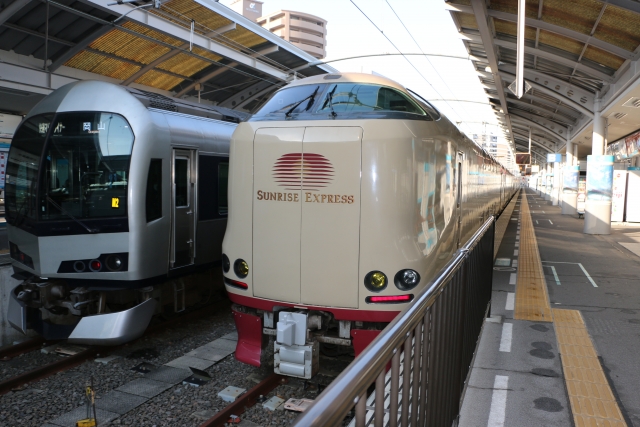
Route: Tokyo → Takamatsu (Seto) / Izumo-shi (Izumo)
Journey time: Approx. 9–12 hours
Price range: From around ¥11,000 (Nobi-Nobi seat) to ¥20,000+ (private room)
Japan’s only remaining regularly scheduled sleeper train, and honestly, a national treasure. The two trains travel together from Tokyo before splitting at Okayama — like a very elegant train divorce. This is the one most travellers can actually book and ride. Everything else in this article is aspirational; Sunrise is achievable.
🔗 JR East — Sunrise Express Info
⭐ Seven Stars in Kyushu (ななつ星 in 九州)
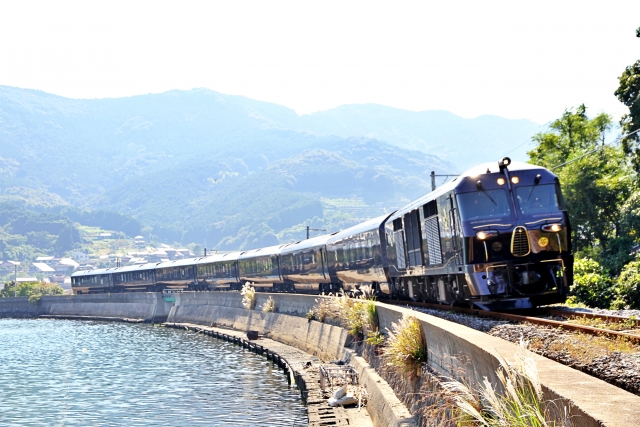
Route: Loop tour around Kyushu
Price range: From ¥200,000 per person (yes, really)
Booking: Lottery system
Routinely described as one of the world’s finest train experiences. Seven Stars is less a train and more a rolling five-star hotel with a Michelin-starred dining car. Getting on requires entering a lottery. The price is what you’d expect from a small used car. Worth knowing about even if you’re just going to admire it from afar and daydream.
🔗 JR Kyushu — Seven Stars Official
💎 Twilight Express Mizukaze (トワイライトエクスプレス 瑞風)
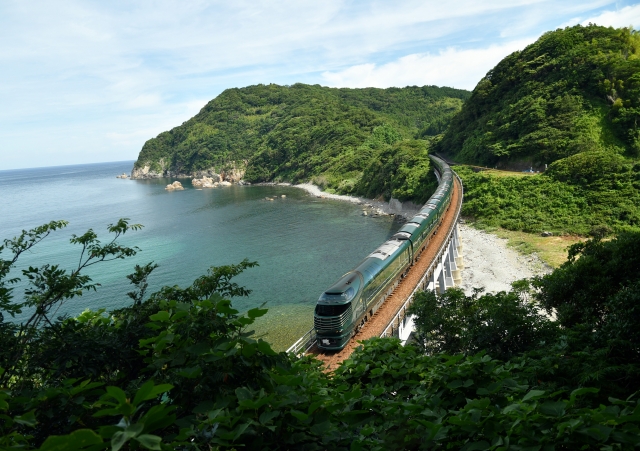
Route: Osaka/Kyoto ↔ Shimonoseki/Matsue (Western Japan)
Price range: From ¥160,000 per person
If Seven Stars is the celebrity, Mizukaze is the quietly sophisticated colleague who went to better schools. Operated by JR West, this dark green beauty glides through San’in and San’yo regions with floor-to-ceiling windows, private suites with en-suite bathrooms, and meals that make you rethink what train food means.
🔗 JR West — Twilight Express Mizukaze
🌸 Train Suite Shiki-shima (TRAIN SUITE 四季島)
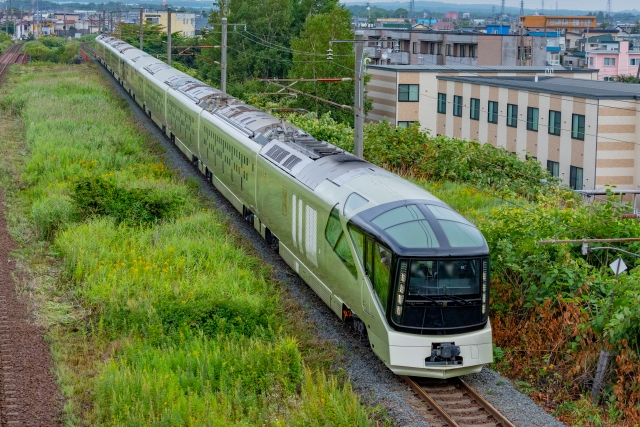
Route: Loop tours around Eastern Japan & Hokkaido
Price range: From ¥320,000 per person (up to ¥1,000,000+ for suites)
The future-meets-tradition masterpiece from JR East. Shiki-shima (meaning “four seasons island”) looks like something a very expensive architect dreamed up. The observation car alone is worth a photo. Multi-day packages only, booking by application. In other words: unless you’re a celebrity or have very generous parents, you’re probably reading this section as a form of aspirational entertainment.
🔗 JR East — Train Suite Shiki-shima Official
🛏️ The Sunrise Express Experience — Room by Room
Since Sunrise is the train most travellers will actually ride, let’s break down the sleeping options, from budget to bougie.
🪑 Nobi-Nobi Seat (のびのびシート) — The People’s Option
This is Sunrise’s open sleeping area — a sort of carpeted bunk situation with no walls, but enough space to stretch out fully (the name literally means “stretch out”). No reservation fee beyond your base ticket, which makes it wildly popular. Think of it as glamping on a train. You’ll be sleeping near strangers, but Japanese social norms mean everyone is extremely quiet and keeps to themselves. Bring an eye mask and earplugs. Available to JR Pass holders at no extra cost (beyond the express surcharge) — which makes it one of the best-value overnight options in Japan.
💴 Price: Base fare only (approximately ¥11,000–¥14,000 from Tokyo)
🚪 Single / Solo Compartments — Your Private Pod
A private sliding-door compartment, just big enough to feel cozy without feeling claustrophobic. You get a fold-down bed, a small desk, a reading light, and the profound satisfaction of locking the door and having your own tiny room while Japan moves silently outside your window. Singles are stacked, so there are upper and lower versions. The lower berth has a slightly larger window — worth requesting.
💴 Price: Approximately ¥13,000–¥16,000 total (including base fare)
🛁 Deluxe A / B Rooms — Treat Yourself
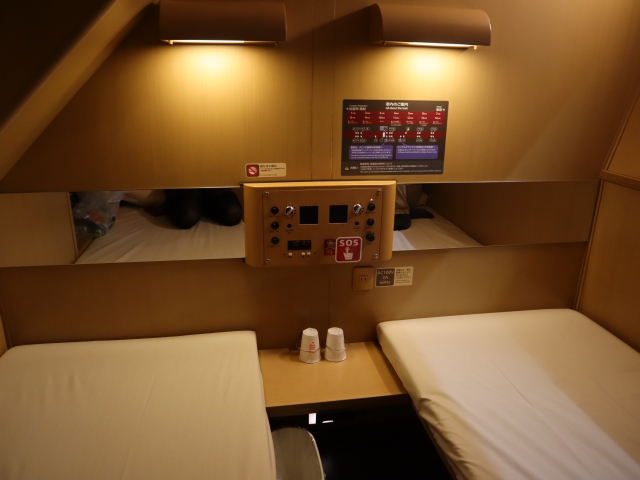
The premium options. Deluxe A rooms are the most spacious private compartments on the train, with a small seating area that converts to a bed. Deluxe B offers similar private space at a slightly lower price point. Both have that “this is unexpectedly lovely” quality that makes you want to never arrive at your destination. Sunrise A also includes access to the shared shower facilities — more on that shortly.
💴 Price: ¥18,000–¥22,000+ (Deluxe A can be higher)
🍱 The Sacred Art of the Ekiben
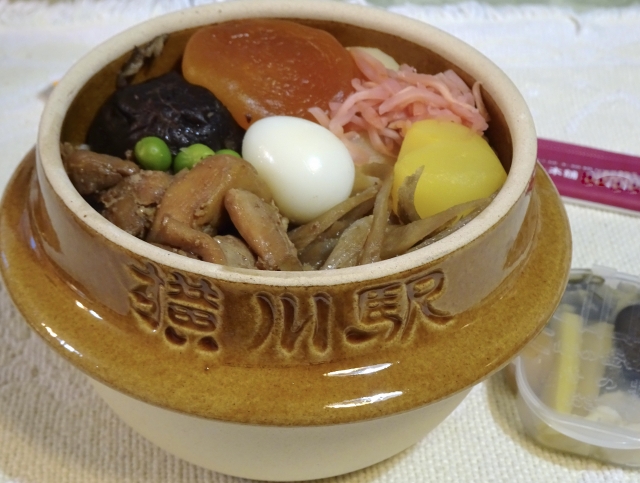
There is no train travel in Japan without ekiben (駅弁) — the station lunchbox that is itself a minor art form. These are not sad desk lunches. These are regionally-specific, beautifully presented, sometimes absurdly inventive bento boxes that local producers have been perfecting for decades.
Here’s what you need to know: Sunrise has no dining car and very limited (or no) vending service on board. This is not a complaint — it’s a cultural instruction. You are expected to arrive at the station armed with provisions, like a very stylish person going on a very comfortable camping trip.
🗺️ Pre-Boarding Strategy: Tokyo Station
Head to Matsuri (祭) inside Tokyo Station’s First Avenue (the basement level) before boarding. It’s a dedicated ekiben shop selling bento from all over Japan — you can essentially eat your way around the country without leaving the building. Pick one from your destination region for added thematic flair. Then hit the convenience store (konbini) for drinks, snacks, and possibly a small bottle of something local. Board the train feeling extremely prepared.
Pair your ekiben with a local sake, shochu, or — if you want to live your best life — a regional craft beer. Japan’s convenience stores stock a surprisingly excellent selection. The Sunrise departs Tokyo at 22:00, which means your “dinner” can absolutely be eaten on the train with a drink in hand while watching Tokyo’s lights fade behind you. This is the correct way to begin a sleeper train journey.
A word of advice from experience (ours and many others’): buy more than you think you need. There’s something about the rhythmic motion of a train that makes snacks disappear faster than expected.
🚿 Shower Roulette: 6 Minutes, One Shot
This is the part of the Sunrise experience that becomes a story you tell people. The train has shower rooms — shared facilities, available on a first-come, first-served basis using a shower card purchased from a vending machine on board.
The shower card gives you exactly 6 minutes of hot water. Not 6 minutes in the room — 6 minutes of actual water flow. You can pause and resume, but once those 6 minutes are gone, the tap becomes a sad, dry metaphor. The clock starts the moment you press the button.
🧴 Shower Tips from People Who’ve Learned the Hard Way
- Buy your shower card immediately after boarding — they sell out
- Pre-shampoo your hair before pressing the button to start your water time
- The shower room provides a small towel, shampoo, and body wash — you don’t need to bring your own
- Schedule your shower for later in the evening (the morning queue is intense)
- Cards cost around ¥320 — exact change is helpful
- The shower itself is impressively clean and well-equipped for a moving train
Is showering in 6 minutes on a moving train through rural Japan objectively stressful? A little, yes. Is it also one of the most absurdly specific memories you’ll take home? Absolutely. It’s become a rite of passage. People write forum posts about their shower card strategy. Embrace it.
🌄 Waking Up Ready to Explore
This is the underrated superpower of sleeper trains: you arrive ready to go.
Instead of checking out of a hotel at 11am, catching a shinkansen at noon, arriving at 2pm, checking into the next hotel at 3pm, and losing half a day to logistics — you wake up in a new place at 7 or 9am, step off the train, and you’re already there. Hotel night saved. Morning completely intact.
Sunrise Izumo → Izumo Taisha (出雲大社)
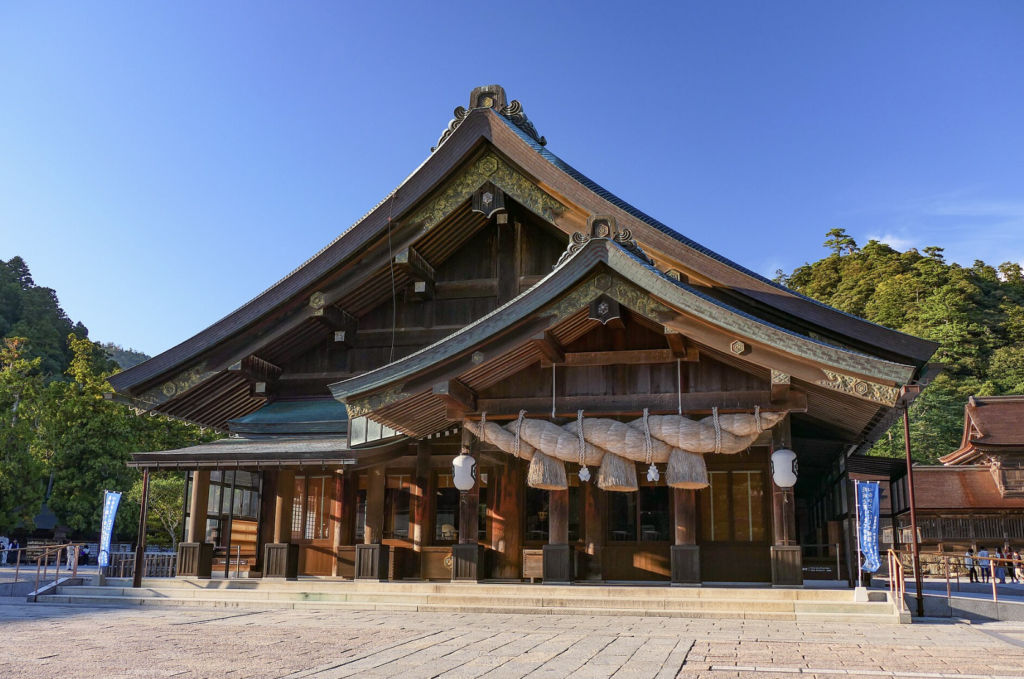
The Sunrise Izumo arrives at Izumo-shi around 09:58. From there, it’s a short bus or train ride to Izumo Taisha — Japan’s oldest and most sacred Shinto shrine, dedicated to the god of relationships and marriage. You can be at the shrine gates well before 11am, beating most tour groups by hours. The shrine complex is vast and serene in the morning mist. This is exactly the kind of experience that makes the sleeper train format feel like a design choice, not a compromise.
🔗 Izumo Taisha Official Website
Sunrise Seto → Takamatsu & Sanuki Udon (讃岐うどん)
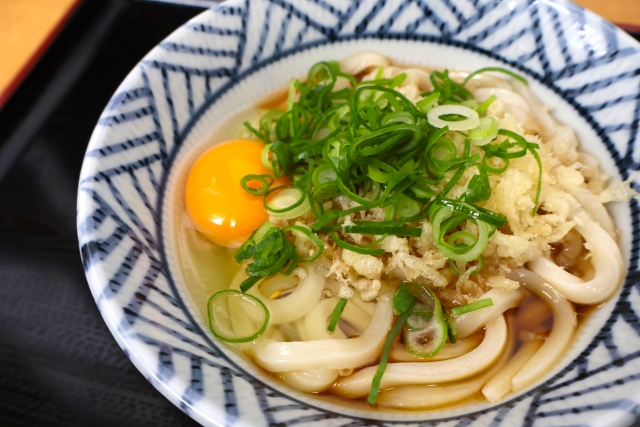
The Seto branch reaches Takamatsu by 07:27. Kagawa Prefecture is the homeland of sanuki udon, Japan’s most beloved noodle, and the locals eat it for breakfast with the same casualness that others eat cereal. Several famous udon shops open at 6am or earlier. Arriving by train at 7:30 means you can be slurping your first bowl by 8am — an achievement you will describe in detail for years. Marugame Seimen has chains everywhere, but for the real experience, seek out local spots in the city.
📱 How to Actually Book One (Without Crying)
Here’s the honest truth: booking the Sunrise can be slightly complicated if you’re not familiar with the JR system. But it’s absolutely doable, and here’s a step-by-step guide.
📅 Booking Window
Reservations open exactly 1 month before departure at 10:00 AM Japan time. Private rooms and lower berths sell out within minutes on popular dates (weekends, Golden Week, New Year, Obon holiday). Set an alarm. Be ready. This is not a drill.
Option 1: JR Ticket Office (Midori-no-madoguchi 緑の窓口) — Most Reliable
Visit any major JR station in Japan and queue at the green-windowed ticket counter. Staff are generally helpful and patient, and most major stations have English-speaking staff or translation support. Bring your passport, your desired date and destination, and the word “Sunrise” written down in both English and Japanese (サンライズ). This is the most reliable method for foreigners.
Option 2: JR East Online Booking (English Available)
JR East’s English booking site allows you to reserve shinkansen and limited express tickets, including Sunrise, if you have a credit card and your JR Pass or a separate ticket. The interface is functional rather than beautiful, but it works.
Option 3: JR Pass Holders
Good news: the JR Pass covers the Sunrise for most ticket types. Nobi-Nobi seats are included at no extra charge beyond the express surcharge. Private rooms require an additional reservation fee (around ¥300–¥500) plus the room supplement. Still excellent value. You’ll need to visit a JR ticket office or exchange counter to make the reservation — you can’t do it online with the pass alone.
Option 4: Third-Party Booking Services
Services like Klook, Viator, or dedicated Japan rail booking platforms can handle the reservation for a small fee. Useful if you want someone else to deal with the details. Just book well in advance.
⚠️ Important Notes
- The Sunrise departs Tokyo (Shinjuku & Tokyo stations) at 22:00 — don’t miss it
- Check for any suspension due to typhoons, earthquakes, or infrastructure maintenance
- Private rooms are NOT available to JR Pass holders at the pass price — you pay the room supplement
- Children are welcome but book early — the train gets full
💡 Quick Tips Before You Go
🎒 What to Pack
- Eye mask & earplugs (Nobi-Nobi)
- Slippers or flip-flops
- Change of clothes in a small bag
- Snacks & drinks (plenty)
- Portable phone charger
- ¥320 in coins for the shower card
📸 Photo Opportunities
- Sunrise over the Seto Inland Sea (early AM)
- Mt. Fuji views just after departure
- Platform signs at small night stops
- The ekiben before you eat it (obviously)
- Your tiny room, looking impossibly cozy
🌙 Night Etiquette
- Keep voices very low after 22:30
- Phone calls in the compartment only
- Return seats to upright when leaving
- Leave shared spaces clean
🚉 Key Stations
- Tokyo: 22:00 departure
- Shinjuku: 22:08 departure
- Okayama: trains split here (~06:27)
- Takamatsu: 07:27 arrival (Seto)
- Izumo-shi: 09:58 arrival (Izumo)
🎌 Final Thoughts
Here’s the thing about the Sunrise: it’s not the most luxurious way to travel Japan (that’s Shiki-shima, if you have the money and the luck). It’s not the fastest (that’s the shinkansen, obviously). It’s not even the most convenient. But it might be the most memorable.
There’s something about boarding a night train — the anticipation, the ritual of setting up your berth, the quiet intimacy of the shared journey — that feels increasingly rare in an age of optimized, frictionless travel. The Sunrise is delightfully un-frictionless. It has a schedule. It has a shower card vending machine. It has an arrival time that assumes you want to hit a shrine or a udon shop at dawn. It assumes you’re the kind of traveller who thinks the journey is the point.
Are you that kind of traveller? We hope so. Book early, pack your ekiben, and don’t forget the coins for the shower.
Safe travels — and good night. 🌙
🔗 Useful Links
Share your thoughts