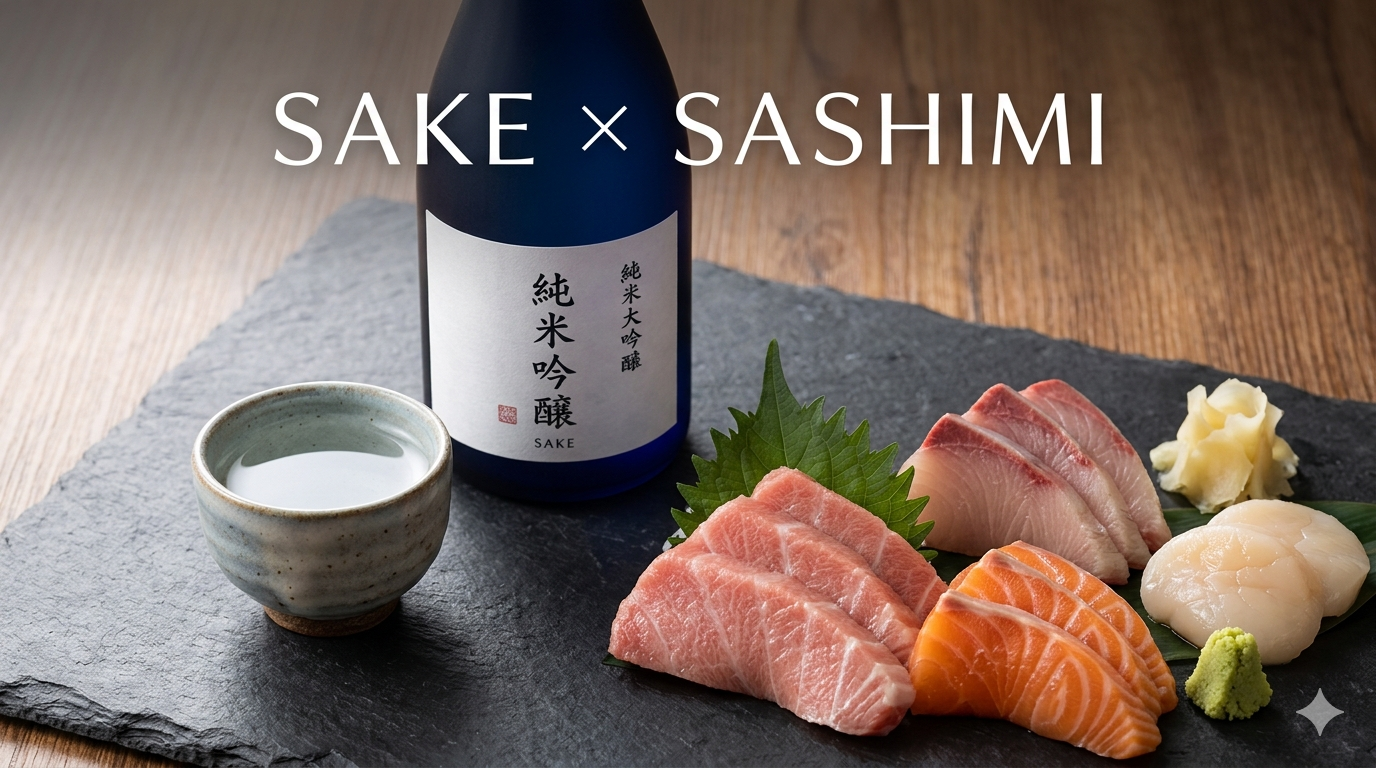
Let me be honest with you.
I’ve traveled quite a bit. I’ve sampled wine and cheese in Burgundy, craft beer and pretzels in Bavaria, and whisky and haggis in Scotland. All lovely. All perfectly pleasant.
But nothing — and I mean nothing — has made me stop mid-bite, put down my chopsticks, and quietly whisper “what is happening right now” quite like the marriage of Japanese sake and fresh sashimi.
This is not a pairing. This is a cosmic event.
And once you understand the sheer depth of obsession — dare I say, glorious madness — that Japanese artisans pour into both their sake and their seafood, you’ll realize that what you’re holding in that little ceramic cup isn’t just rice wine. It’s centuries of craft, geography, fermentation science, and what can only be described as beautiful Japanese perfectionism in liquid form.
Ready? Let’s go.
- 🐟 First, a Word You Need to Know: Sakana
- 🍶 Sake: It’s Not What You Think It Is
- 🌊 “The Terroir of the Sea”: Local Sake Meets Local Fish
- 🧫 Beyond Sashimi: The Deep Universe of Sakana
- 🌡️ The Temperature Magic: From 5°C to 55°C
- ⛵ The Ryokan Experience: The Magnificent Funazukuri
- 🏮 Izakaya: Where Democracy Meets Deliciousness
- 🏯 Yatai: Hot Sake Under the Stars
- 🔪 The Art You Don’t Always See: Craftsmanship in the Background
- ✈️ So: Why Are You Still Reading This?
- 📌 Useful Links for Your Sake Journey
🐟 First, a Word You Need to Know: Sakana
Before we dive in, here’s a fun linguistic twist that will make you see Japanese drinking culture in a whole new light.
The Japanese word sakana (肴) means “food to accompany alcohol” — essentially, snacks or dishes served alongside a drink. But the etymology is delicious:
SA (酒) = sake / alcohol + KANA (肴) = what makes it delicious
→ “The thing that makes sake taste even better”
So when a Japanese person says “I need some sakana,” they’re not just saying “I need fish.” They’re saying: “My sake needs a worthy companion.”
It’s a philosophy built into the language itself. Drinking, in Japan, was never meant to be done alone — and never without food. From the beginning, sake and food were designed to complete each other.
Now that’s romance.
🍶 Sake: It’s Not What You Think It Is
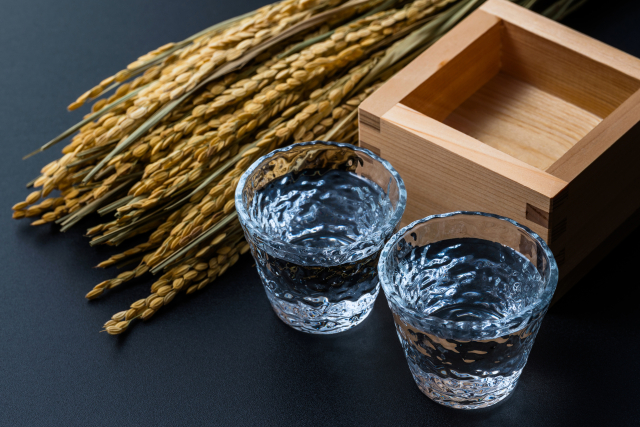
Let’s address something immediately: sake is not “Japanese rice wine.” Wine is made from fruit. Sake is brewed through a process closer to beer — but then it pulls off a fermentation trick so elegant that even master brewers describe it with something approaching religious awe.
Called multiple parallel fermentation, sake converts starch to sugar and sugar to alcohol simultaneously. No other major alcoholic beverage does this. It produces flavor compounds of stunning complexity — umami, floral, fruity, earthy, and sometimes almost savory cheese-like notes — all from rice, water, yeast, and a mold called koji.
The Japanese Ministry of Health, Labour and Welfare officially categorizes sake styles, and the Japan Sake and Shochu Makers Association (japansake.or.jp) is an excellent starting point if you want to go deep. And you will want to go deep.
Here’s a quick field guide to the styles you’ll encounter:
- Junmai (純米) — Pure rice sake, nothing added. Rich, full-bodied, often earthy. The honest, no-nonsense type.
- Ginjo (吟醸) / Daiginjo (大吟醸) — Highly polished rice, fruity and floral. The showoff at the party.
- Honjozo (本醸造) — A small amount of distilled alcohol added for lightness. Smooth and approachable.
- Yamahai / Kimoto (山廃・生酛) — Traditional slow fermentation. Complex, sour, funky in the best possible way. The jazz musician of sake.
- Nigori (にごり) — Unfiltered, cloudy, slightly sweet. The fun one at the party.
- Koshu (古酒) — Aged sake, amber-colored, rich with dried fruit and umami. The wise elder.
And here’s what makes Japan uniquely extraordinary: every single prefecture produces its own sake, shaped by local water, local rice varieties, and centuries of regional brewing tradition. There are over 1,500 active sake breweries in Japan. The variety is not just impressive — it’s almost unreasonable.
🌊 “The Terroir of the Sea”: Local Sake Meets Local Fish
In the wine world, terroir describes how geography — soil, climate, elevation — shapes the flavor of a wine. Japan has its own version of this, and it’s twice as interesting: the place that makes great sake often also produces great seafood.
It’s not a coincidence. It’s geography becoming destiny.
📍 Toyama, Hokuriku Region — Yellowtail (Buri) × Junmai
In winter, the Sea of Japan delivers one of its greatest gifts: Kan-buri (寒ブリ), yellowtail tuna fattened by cold waters until it’s practically marbled like wagyu. This fish is rich. Intensely, gloriously rich.
To stand up to that fat, you need a sake with real backbone — a full-bodied Junmai with strong umami and enough acidity to cut through the richness and leave your palate clean and ready for the next bite. The effect is almost miraculous: the fat dissolves, the umami doubles, and you find yourself reaching for another piece before you’ve even finished thinking about it.
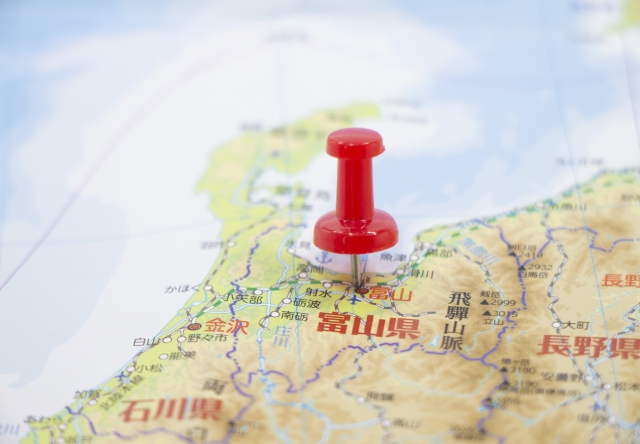
Toyama is home to excellent breweries producing exactly this style. The Toyama Prefecture tourism site can guide you toward sake breweries worth visiting.
📍 Kochi, Shikoku — Katsuo no Tataki × Super-Dry Tosa Sake
Kochi is famous for two things: katsuobushi (bonito) and a drinking culture so enthusiastic it has its own formal name — ofuku, the custom of sharing cups around the table until everyone is deeply, happily committed to the evening.
Katsuo no tataki is bonito seared dramatically over rice straw, which gives it a smoky, bold char on the outside while the center stays raw and clean. This dish does not want a delicate sake. It wants a super-dry (tanrei karakuchi) Tosa sake with razor-sharp finish — a style born from fishing villages where men came off boats wanting something that went down fast and clean.
They call it “men’s sake” (男酒) locally. One sip and you’ll understand why.
The Kochi Sake Brewers Association lists the local breweries producing this distinctively bold style.
🧫 Beyond Sashimi: The Deep Universe of Sakana
Here’s where things get truly interesting — and where Japan’s particular brand of culinary perfectionism goes fully off the rails in the most magnificent way.
Sashimi is just the beginning. The world of sakana — food made to accompany sake — is a universe unto itself, built on fermentation, preservation, and techniques that sometimes take years to complete.
🐡 Ishikawa Prefecture — Fugu no Ko Kasuzuke × Yamahai
Let’s start with the most audacious item on this list.
Fugu no ko kasuzuke is the fermented and sake-lees-cured ovaries of the puffer fish — the same organ that, in raw form, contains enough tetrodotoxin to kill a person. The curing process takes two to three years and is so complex that it’s legally regulated; only specific producers in Ishikawa Prefecture are permitted to make it.
The result? Something between anchovy paste and aged cheese, intensely savory, with a fermented depth that you can only describe as “ancient.” A tiny amount on the tip of a toothpick alongside a cup of Yamahai sake — wild-fermented, acidic, almost barnyard-complex — is one of the most challenging and rewarding flavor experiences Japan offers.
This is not for the timid. This is sake culture at its most extreme.
🎣 Shiga Prefecture — Funazushi × Aged Koshu
Funazushi is widely considered the origin of sushi itself — before vinegared rice, before nigiri, before California rolls. It’s a crucian carp from Lake Biwa, fermented with rice for one to three years.
The smell is, to put it diplomatically, assertive. The taste? Sour, rich, complex — strikingly similar to a strong blue cheese. If you’ve ever understood the pairing of Sauternes and Roquefort, you’ll immediately grasp why funazushi meets an aged Koshu sake, with its amber hue and notes of dried fruit and caramel, in absolute harmony.
This is fermented food meeting fermented drink. It’s a conversation between two things that took years to become what they are. That’s not a pairing. That’s a dialogue.
Lake Biwa is the largest freshwater lake in Japan, and the Shiga/Biwako Tourism site covers the region’s unique food culture.
🌡️ The Temperature Magic: From 5°C to 55°C
Here is something that no other major alcoholic beverage offers: sake is designed to be drunk across a 50-degree range of temperatures, and it tastes genuinely different — sometimes radically different — at each one.
This is not just a fun trick. Combined with sashimi, it creates a matrix of pairings so complex that serious sake restaurants employ sommeliers dedicated entirely to temperature decisions.
| Temperature | Name | Best With |
|---|---|---|
| 5–10°C | Yukibie (雪冷え) | Delicate white fish: sea bream, flounder |
| 15°C | Hanahie (花冷え) | Tuna, salmon, octopus |
| 40°C | Nurukan (ぬる燗) | Squid, shrimp, sweet shellfish |
| 45°C | Jōkan (上燗) | Fatty fish, grilled items, aged fermented food |
| 50–55°C | Atsukan (熱燗) | Yakitori, winter hot pots, strong umami dishes |
❄️ White Fish (Tai, Hirame) × Chilled Ginjo (5–10°C)
Sea bream and flounder have a delicate sweetness that’s almost shy — you have to pay attention to find it. A chilled, floral Ginjo at around 8°C is like a whisper that brings that sweetness forward without overpowering it. The sake’s acidity lifts the fish. The fish makes the sake taste rounder. Both end up tasting better than they would alone.
🦑 Squid & Shrimp × Warm Sake (Nurukan, ~40°C)
Squid and shrimp have a concentrated sweetness — amino acids released by their protein — that warm sake amplifies beautifully. At body temperature, the sake’s umami molecules bind more readily to your taste receptors. The sweetness of the squid seems to triple. It’s the same phenomenon as letting chocolate melt on your tongue: temperature changes everything.
This is where Atsukan (熱燗) — hot sake — earns its reputation. Foreigners often dismiss hot sake as a cheap restaurant trick. They’re thinking of bad sake served hot to mask its flaws. Good sake served hot is a completely different experience.
⛵ The Ryokan Experience: The Magnificent Funazukuri
If you ever stay at a traditional Japanese inn — a ryokan — and your dinner includes a funazukuri (舟盛り), stop whatever you are doing and pay full attention.
A funazukuri is a sashimi platter presented in a wooden boat-shaped vessel, often piled with ice and decorated with seasonal garnishes. It will typically include five to ten varieties of fish and seafood, arranged with an artistry that borders on sculpture. The whole fish is sometimes placed upright, recreating the appearance of life. Edible flowers, shiso leaves, and daikon radish carved into flowers may accompany it.
It is, frankly, absurdly beautiful.
And it will be paired with local sake from the region. This is not accidental — the ryokan’s proprietress (the okami) will have chosen both based on what the fishing boats brought in that morning and what the local brewery produces. You are, in this moment, eating and drinking the precise geography you are sitting in.
The Japan Ryokan Association (ryokan.or.jp) can help you find member inns across Japan where this experience awaits.

🏮 Izakaya: Where Democracy Meets Deliciousness
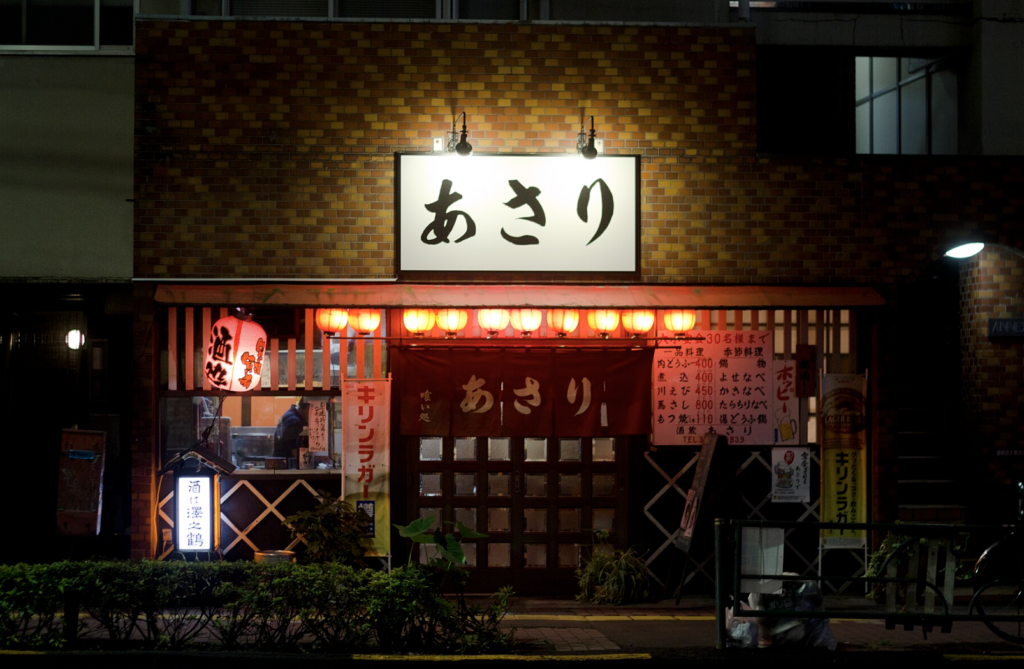
Let’s bring things back to earth. Gloriously, beautifully back to earth.
Not every sake-and-sashimi moment needs to happen in a $300-a-night ryokan. Some of the most memorable pairings I’ve encountered happened at a sticky wooden counter in an izakaya (居酒屋) — Japan’s beloved pub-restaurants — where the menu was handwritten on paper slips, the sake came in a mass-produced ceramic tokkuri, and the chef behind the bar looked like he’d been there since the Meiji era.
Izakaya culture is egalitarian and joyful. You order small dishes continuously as the evening progresses. Fresh sashimi will almost certainly be on the menu. Local sake by the carafe — tokkuri — typically costs between ¥400 and ¥900. You sit at the counter, watch the chefs work, and let the evening happen around you.
Look for izakaya with handwritten menus — it usually means the dishes change based on what came in fresh. Ask the staff what fish is best today. Point at things you can’t read. Order the sake they’re proudest of. Something wonderful will happen.
The Japan Tourism Agency and apps like HotPepper (available in English) can help you find izakaya near you, but honestly? Just walk down a narrow alley in any Japanese city after 7pm and follow the sound of laughter.
🏯 Yatai: Hot Sake Under the Stars
For one final, essential experience: the yatai (屋台).
A yatai is a mobile food stall — a tiny kitchen on wheels, often covered with a canvas awning, open to the night air. Fukuoka is famous for them (the city has the most yatai in Japan, concentrated along the Naka River), but you’ll find them at festivals, temple fairs, and in various city neighborhoods across the country.
Imagine this: It’s winter. It’s cold enough to see your breath. You’re sitting on a small stool at a counter barely wide enough for your elbows. A cup of hot sake — atsukan — is placed in front of you, radiating warmth into your palms. There might be a small plate of grilled fish or pickled vegetables alongside it.
The sake is nothing fancy. It might be the second-cheapest bottle in the prefecture. But it’s hot, it’s in your hands, it’s nighttime in Japan, and the city is glowing around you.
I promise you: it will be the best sake you’ve ever had.
Fukuoka’s yatai scene is so culturally significant that the Fukuoka City government actively promotes and protects it. Learn more at the Fukuoka City Tourism official site.
🔪 The Art You Don’t Always See: Craftsmanship in the Background
Here’s something to appreciate the next time a beautiful plate of sashimi arrives in front of you: the knife work and presentation are not decoration. They are engineering.
The Technique of Kakushi Bōchō (隠し包丁)
“Hidden knife” — tiny, almost invisible cuts made on the surface of fish before serving. They’re designed to help soy sauce adhere more evenly and to soften the texture in the mouth. You almost certainly won’t notice them. You’ll definitely notice their effect: the fish will feel silkier, and the seasoning more integrated. Millimeter-level decisions, made by someone who has cut fish every day for decades.
The Sake Vessel: It Changes Everything
The cup matters more than you think. A tin (suzu) vessel ionically purifies the sake and gives it a remarkable smoothness — tin has been used for sake cups since the Edo period for this reason. An Edo Kiriko cut-glass cup (a traditional hand-cut crystal style from Tokyo) chills sake slightly and sharpens its acidity, making ginjo styles taste even crisper. A rough, rustic Hagi-yaki ceramic cup from Yamaguchi absorbs moisture and makes junmai feel earthier and warmer.
Same sake. Different cup. Different drink.
This is the level of detail at which Japan operates. This is what I meant by beautiful madness.
✈️ So: Why Are You Still Reading This?
Look. I’ve done my best here. I’ve told you about puffer fish ovaries cured for three years. I’ve told you about bonito seared over burning rice straw. I’ve told you about sake that tastes different at five degrees than it does at fifty. I’ve told you about a tiny cup of hot sake at a river-side stall in the middle of a cold Japanese night.
But reading about it is, I have to be honest with you, a pale shadow of the real thing.
The real thing involves your actual senses. It involves the smell of cedar in a sake cup, the visual shock of a funazukuri arriving at your table, the specific way that cold ginjo interacts with the fat of bluefin tuna at the precise moment it touches your tongue.
Japan has more sake breweries than France has wine châteaux. Its coastlines produce seafood of staggering variety and quality. And it has, baked into its culture, a philosophy that says: drinking is better with food, food is better with drinking, and both are better when made with obsessive, loving attention to detail.
That’s not a country. That’s an invitation.
🍶 Kanpai — and book your flight. The sake is waiting. 🐟
📌 Useful Links for Your Sake Journey
- Japan Sake and Shochu Makers Association — Official sake information in English
- Japan Tourism Agency (JNTO) — Plan your trip
- Japan Ryokan Association — Find authentic ryokan for the funazukuri experience
- Fukuoka City Tourism — Yatai culture and hot sake by the river
- Kochi Sake Brewers Association — Explore the bold “men’s sake” of Tosa
- Lake Biwa Visitors Bureau — Funazushi and Shiga’s fermented food culture


Share your thoughts