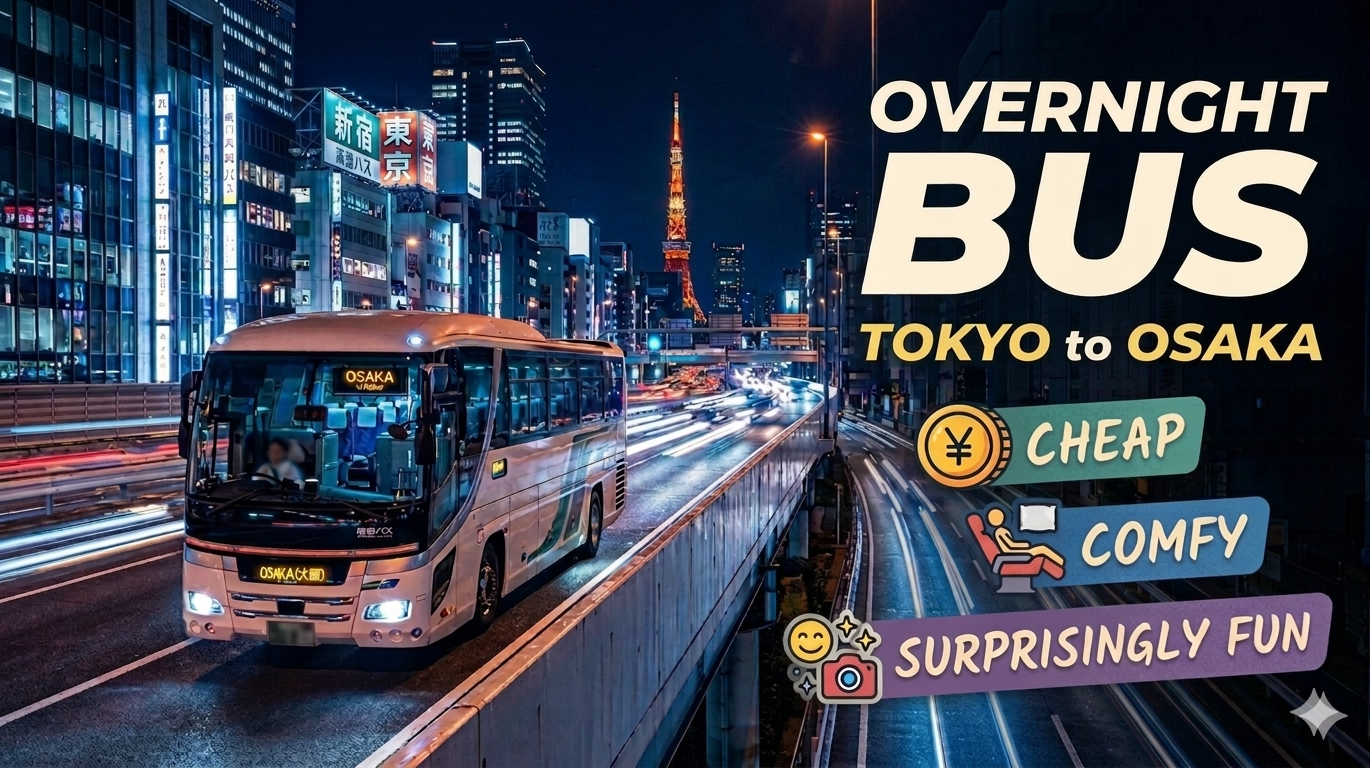
Real experience. Real savings. Zero regrets.
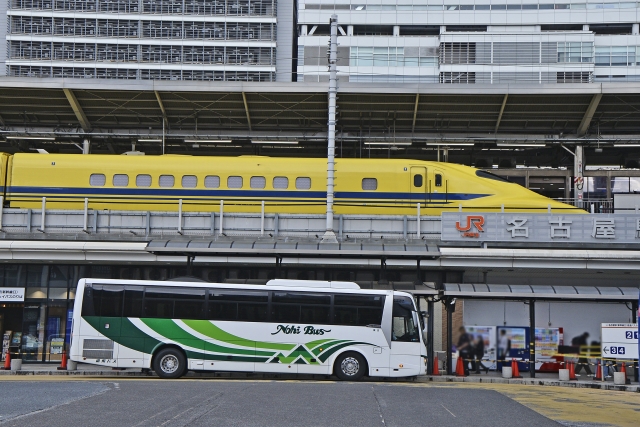
Let me tell you something the travel influencers won’t: the Shinkansen is overrated.
Okay, it’s not. It’s incredible. But at ¥14,000+ for a Tokyo–Osaka ticket, it’s also kind of a budget assassin.
So when my boyfriend and I decided to visit Osaka, we took the night bus from Shinjuku instead. Total cost: ¥4,500 each.
The difference? Two days of ramen. Each. Just saying.
- What Is the Night Bus, Exactly?
- Step 1: Get to Busta Shinjuku
- 🏢 Once You’re Inside Busta Shinjuku
- Step 2: The Pre-Bus Ritual (Non-Negotiable)
- Step 3: How to Book
- Step 4: At the Terminal — Don’t Panic
- Step 5: On the Bus — What It’s Actually Like
- Step 6: You’ve Arrived
- Quick Reference: Tokyo → Osaka Night Bus
- Final Verdict
What Is the Night Bus, Exactly?
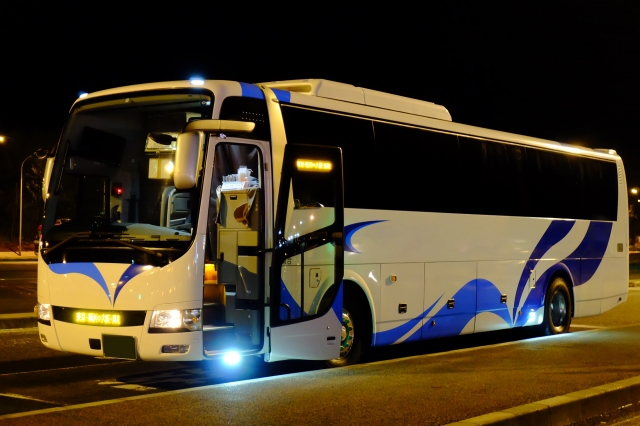
Japan has an extensive network of long-distance highway buses (kōsoku basu) that run overnight between major cities. They depart in the evening, you sleep (or try to), and you arrive in the morning — refreshed, or at least caffeinated enough to fake it.
For the Tokyo–Osaka route:
🕘 Departure: around 21:00–23:00 🌅 Arrival: around 6:30–8:00 ⏱ Duration: 8–10 hours 💴 Price: ¥3,500–¥8,000 depending on timing, seat type, and how far in advance you book
Compare that to the Shinkansen (2.5 hours, ¥13,000+), and suddenly 9 hours feels very reasonable.
Step 1: Get to Busta Shinjuku
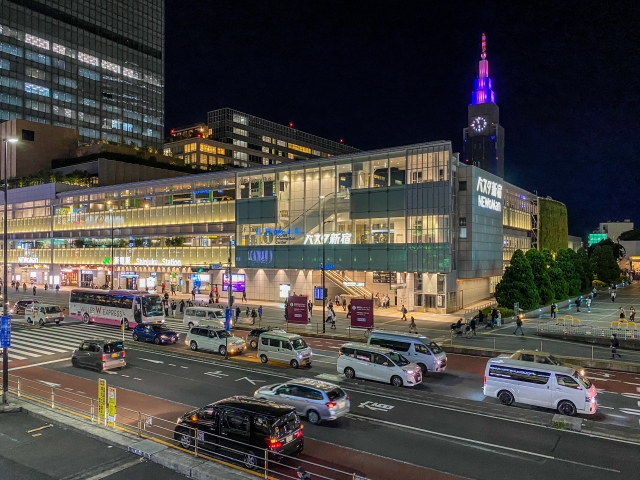
All long-distance buses from Tokyo depart from Busta Shinjuku (バスタ新宿) — a massive bus terminal attached to Shinjuku Station.
Here’s the thing: Shinjuku Station has around 200 exits. I am not exaggerating. It is a maze built by someone who hates tourists. But don’t panic — here’s your cheat code.
🗺 The Cheat Sheet by Train Line
| Your train line | Best exit / gate | Walk time |
|---|---|---|
| JR (any line) ⭐ | Shin-Minami Gate (新南改札) | ~2 min — indoors! |
| JR (alternative) | South Gate (南口) | ~4 min |
| Odakyu Line | South Gate (南口) | ~4 min |
| Keio Line | Keio Dept. Store Gate | ~5 min |
| Toei Shinjuku / Oedo Line | Exit 2 | ~5 min |
| Tokyo Metro Marunouchi Line | Isetan Gate | ~10 min ⚠️ |
| Seibu Shinjuku Line | — | 15+ min — just transfer to JR |
⚠️ Common mistake: People go to the “South Exit (南口)” thinking it’s the right one. It’s close — but the Shin-Minami Gate is better if you’re on JR. The escalator takes you directly to Busta Shinjuku in 2 minutes, indoors, even in the rain.
🏢 Once You’re Inside Busta Shinjuku
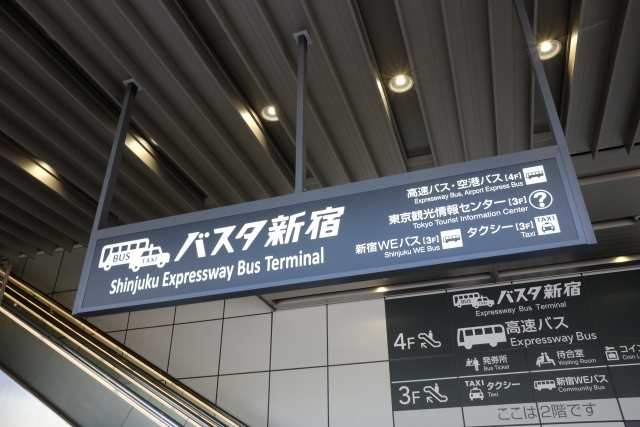
Floor 3 = Arrivals / taxi drop-off. Not your floor. Floor 4 = Departure lounge, ticket machines, your bus gates. This is you.
Follow the signs. They have English. You’ve got this.
Step 2: The Pre-Bus Ritual (Non-Negotiable)
Before you go upstairs to your gate, you must do one thing: go to a convenience store.
There are konbini near the south exit of Shinjuku Station — 7-Eleven, FamilyMart, Lawson. This is not optional. This is a sacred pre-journey ritual.
Buy:
🍙 At least two onigiri (rice balls — trust me) 🧃 A drink (hot or cold, vending machines are everywhere) 🍞 Something sweet for the middle of the night 🤷 Something you can’t read the label of (adventure tax)
Pro tip: The bus does have a toilet, but eating a full bento on board might make you… popular with your neighbors. Eat before you board.
Step 3: How to Book
Book in advance — especially for weekends or Golden Week. Here are the main options with English support:
WILLER TRAVEL (willer.co.jp/en) — Most foreigner-friendly, great seat selection, English UI JR Bus Kanto — Reliable, well-known operator Kosoku Bus (kosokubus.com/en) — Comparison site, good for finding deals
💡 Booking Tips:
Book early: Prices go up as seats fill. Weekday seats can be under ¥4,000. Weekend? More like ¥6,000–¥8,000.
Choose your seat type: Most buses offer 4-seat rows (2×2) or premium 3-seat rows (1×2 or fully independent). We took the standard 2×2 — and honestly, it was wider than I expected. Comfortable enough for a real night’s sleep.
Solo women travelers: Many operators have women-only rows or sections — you can select this at booking. It’s a genuinely thoughtful touch.
Step 4: At the Terminal — Don’t Panic
Arrive at Busta Shinjuku Floor 4 at least 20–30 minutes early.
If you booked online, you may need to print or collect your ticket. There are ticket machines on Floor 4, and a staffed information counter (open 7:00–23:00, English-speaking staff available).
Free Wi-Fi is available — connect to Shinjuku-Bus-Terminal_Free_Wi-Fi and register with your email. Great for last-minute Google Maps obsessing before you lose signal on the highway.
Your gate number will be shown on the departure boards and on your ticket. Each bus has a sign in the window showing its destination. Find yours, line up, and breathe.
Step 5: On the Bus — What It’s Actually Like
Here’s my honest experience.
When we boarded and the bus pulled out of Shinjuku, I was too excited to sleep. We’re doing this. We’re going to Osaka on a bus. At night. That kind of energy. My boyfriend fell asleep almost immediately. I stared at the highway lights for a while like a golden retriever in a car.
But somewhere after midnight, something shifted. The bus got dark and quiet. Everyone around us was asleep. And just like that — I was out too.
I slept solidly for about 4 hours straight. Woke up feeling surprisingly human.
The seat
The 2×2 seat is wider than a budget airline seat and reclines more. Not business class — but genuinely comfortable. We were traveling as a couple, so having the pair of seats next to each other made it feel relaxed and cozy.
Bring: 🤕 Neck pillow — worth every yen 😴 Eye mask — it gets light around 5am 🎧 Earphones — the bus is quiet, but still
The rest stops
We had 3 rest stops total. The longest one — about an hour — was at Ebina Service Area (海老名SA). If you’ve never been to a Japanese highway service area, prepare yourself: these are not sad vending machine rest stops. There’s food, shops, and at Ebina specifically, a bakery that smells dangerously good at 1am.
Get off the bus. Stretch your legs. Use the proper restroom. Get a hot drink. It makes the rest of the journey so much better.
The toilet 🚽
Yes, there’s one on the bus. It’s small and emergency-only. With 3 real rest stops, you probably won’t need it — but it’s there if you do.
Etiquette (aka: don’t be that person)
Keep noise to a minimum after departure. No phone calls. Seat recline is fine, but do it slowly. Lights go off early — darkness means sleep time.
The bus was full when we rode, but almost completely silent. That’s just how Japan works, and honestly? It made sleeping so much easier.
Step 6: You’ve Arrived
The bus pulls into Osaka — usually Umeda or Namba depending on your route — around 6:30–8:00am.
We got off, slightly dazed, bags on our backs, and found a chain café nearby. Sat down. Ordered coffee. Watched Osaka slowly wake up around us.
Was it glamorous? No.
Was it one of those small travel memories that sticks with you? Surprisingly, yes.
Quick Reference: Tokyo → Osaka Night Bus
| Night Bus | Shinkansen (Nozomi) | |
|---|---|---|
| Price | ¥3,500–¥8,000 | ¥13,000–¥15,000 |
| Travel time | ~9 hours (overnight) | ~2.5 hours |
| Departs | ~21:00–23:00 | Throughout the day |
| Arrives | ~6:30–8:00am | Throughout the day |
| Hotel needed? | No (you sleep on the bus) | Yes |
| Vibe | Budget adventure | Speed demon |
Final Verdict
The night bus from Tokyo to Osaka is one of the best budget moves in Japan travel. It’s not for everyone — if you need to be in Osaka by noon today, take the Shinkansen.
But if you’re flexible, and you want to stretch your travel budget without sacrificing too much comfort?
Sleep your way there. Wake up in Osaka. Find a café. Order coffee.
Watch the city wake up, and feel pretty good about the ¥9,000 you just saved.
That’s the move. 🚌


Share your thoughts