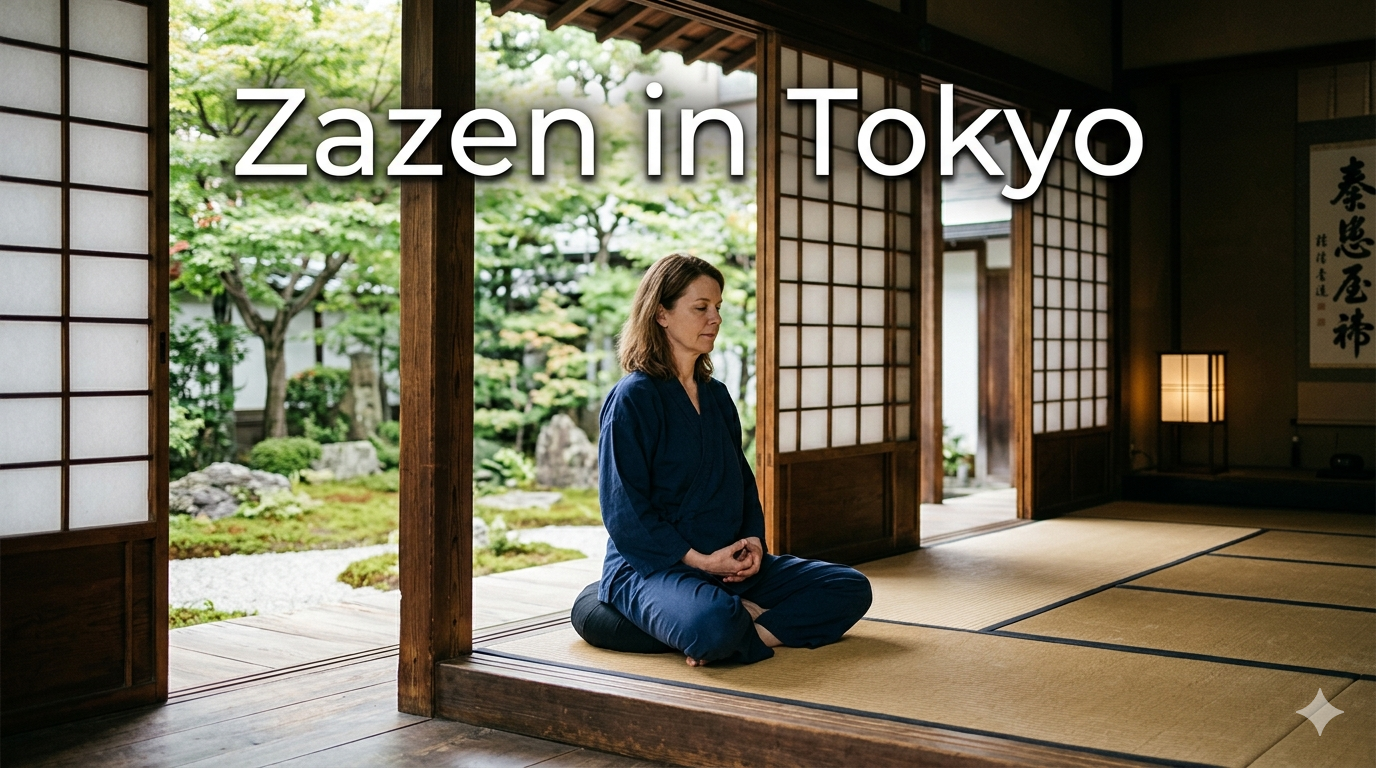
You’ve got 48 hours in Tokyo. You’ve done the ramen. You’ve seen the shrine. You’ve stood at Shibuya Crossing and felt simultaneously tiny and oddly alive. Now you want something different — something that isn’t plastered across every travel influencer’s feed.
Enter zazen: the ancient Zen Buddhist practice of sitting absolutely still and trying very hard not to think about what you’re having for dinner. It sounds deceptively simple. It is, in fact, deceptively everything.
This guide covers everything a first-timer needs to know before walking into a centuries-old temple and attempting to become one with the universe — or at least with the meditation cushion.
What Is Zazen, Exactly?
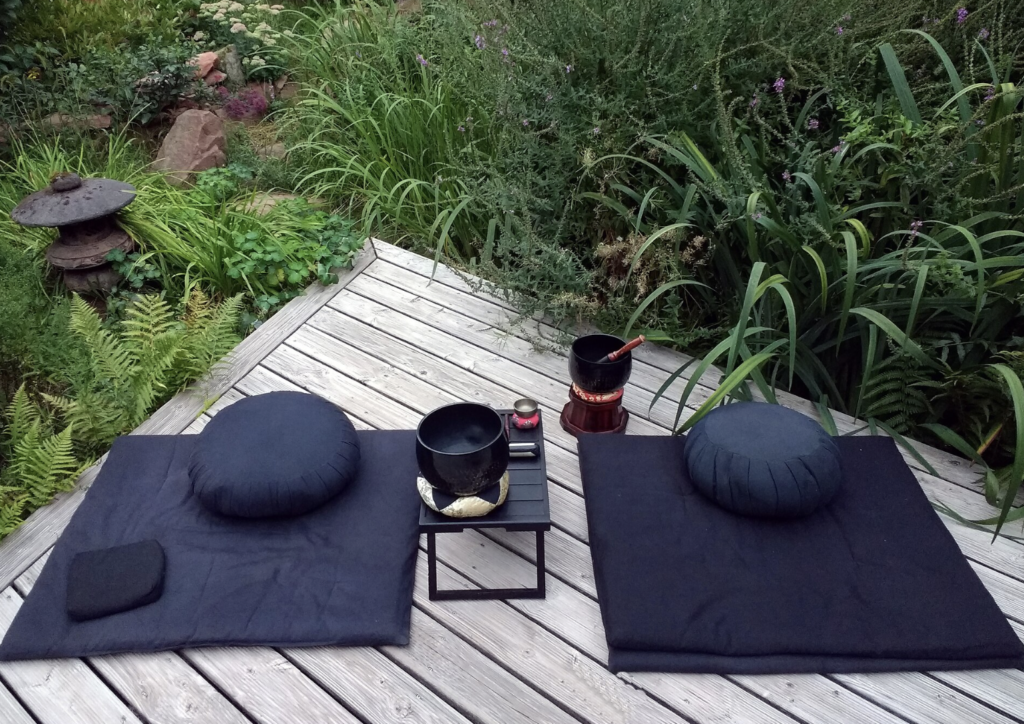
Zazen (座禅) translates literally as “seated meditation,” and it is the beating heart of Zen Buddhist practice. You sit. You breathe. You don’t reach for your phone. That’s it. That’s the whole game.
But here’s the twist: it is profoundly difficult to do well, precisely because it asks you to do nothing. No guided visualization (“imagine a warm golden light…”). No mantras. No app telling you to “just breathe, bestie.” Just you, a firm cushion called a zafu, and the faint smell of incense curling through the air of a hall that was old before your country was founded.
Sessions typically run anywhere from 15 to 45 minutes, and costs range from ¥500 to ¥3,000 — which, for a genuine shot at inner peace, is honestly a bargain.
Zazen vs. Regular Meditation: What’s Actually Different?
If you’ve done mindfulness apps, yoga nidra, or a Vipassana retreat, you might be thinking: “I’ve got this.” And you do — kind of. But zazen has a few key differences worth knowing before you assume you’re ahead of the curve.
| Zazen | Mindfulness / Vipassana | |
|---|---|---|
| Goal | No goal — sitting IS the practice | Observation of thoughts and sensations |
| Focus | “Just sitting” (Shikantaza) | Breath, body scan, thoughts |
| Posture | Very specific and structured | More flexible |
| Guidance | Minimal — silence is the teacher | Often guided or with technique |
| That stick | Yes, possibly 😅 | Definitely not |
The Soto Zen school — the tradition you’ll encounter at most Tokyo-area temples — teaches Shikantaza (只管打坐), or “just sitting.” The practice itself is the point. The sitting isn’t a means to enlightenment; the sitting is enlightenment. Very Zen, right?
The Rinzai school takes a slightly spicier approach, using koans — those beautiful philosophical brain-knots like “What is the sound of one hand clapping?” — to provoke sudden insight. Both traditions are very much alive in and around Tokyo.
If Vipassana is like watching your mind like a nature documentary, zazen is like becoming the camera. Different flavour, equally humbling.
Where to Experience Zazen in Tokyo and Nearby (English OK! 🙌)
Here’s the genuinely good news: you don’t need to speak a word of Japanese to experience authentic zazen. Several temples offer English-language sessions specifically designed for curious beginners. Here are the best options, organized by accessibility and vibe.
🏯 Kinryuji Temple — Asakusa, Tokyo
This is arguably the most accessible zazen experience in central Tokyo, and a fantastic entry point for first-timers. Founded in 1611 by the daughter of Tokugawa Ieyasu (yes, that Tokugawa), the temple is tucked just one street back from the tourist-packed Asakusa strip — meaning you can go from sensory overload to deep silence in about three minutes of walking.
The head priest, Taijun Namiki — who also serves as director of the Tokyo Zen Center — has a gift for explaining Zen philosophy in a way that’s warm, clear, and entirely free of intimidation. The session format includes three 10-minute rounds of zazen, each timed by a burning incense stick. Afterwards, you’re served matcha and traditional sweets. It’s a full experience, not a tourist checkbox.
As for the keisaku — the flat wooden stick you may have seen in photos — yes, it does make an appearance. But it’s entirely optional, administered only if you request it, and used as encouragement rather than correction. Think of it as a very firm tap on the shoulder from someone who genuinely wants you to succeed.
Best for: First-timers who want a central Tokyo location with expert English guidance
Vibe: Historic, calm, and genuinely welcoming
📍 Getting there: Take the Tokyo Metro Ginza Line to Asakusa Station (about 5 minutes from Ueno, 15 minutes from Shibuya). The temple is a 5–10 minute walk from the station.
⚠️ Advance booking is essential — sessions fill up quickly.
🏯 Denchuji Temple — Kagurazaka, Tokyo
If Kinryuji is the welcoming front door, Denchuji is the fascinating room you discover behind it. The vice-abbot here has been known to explain Zen concepts using a whiteboard and Winnie the Pooh illustrations. Reader, this is not a gimmick. It works beautifully.
Founded in 1628 and historically connected to Eiheiji Temple — one of the two head temples of Soto Zen Buddhism — Denchuji carries genuine spiritual weight despite its intimate, almost classroom-like approach. Sessions are held in small groups, which means you actually get personal attention. At temples where groups of 20+ are the norm, this is a rare and valuable thing.
For those who can’t sit cross-legged, chair zazen is fully available. The temple even has elevator access for wheelchair users — an unusually thoughtful touch that speaks to the inclusivity of the programme.
Best for: Beginners, families, or anyone who appreciates learning through unexpected visual metaphors
Vibe: Intimate, educational, and surprisingly fun
📍 Getting there: Kagurazaka is within 30 minutes of most major Tokyo stations, right inside the Yamanote Line. Nearest stations: Kagurazaka (Tokyo Metro Tozai Line) or Iidabashi (multiple lines).
⚠️ Sessions are booked through tour operators — do not contact the temple directly.
🏯 Sojiji Temple — Yokohama (30 min from Tokyo)
One of the two head temples of Soto Zen Buddhism, Sojiji sits on park-like grounds spanning around 500,000 square metres. It’s the kind of place that makes you involuntarily stand up straighter the moment you walk through the gate.
Monthly English zazen sessions are held here for just ¥500 — quite possibly the best meditation deal in the greater Tokyo area. Sessions start at 1:00 PM, run for approximately two hours, and conclude with a guided tour of the monastery. No reservation required.
Best for: Budget travellers and anyone wanting a more traditional, grand-scale temple atmosphere
Vibe: Grand, atmospheric, with proper Zen headquarters energy
📍 Getting there: Take the JR Keihin-Tohoku Line to Tsurumi Station (17 minutes from Shinagawa, 10 minutes from Yokohama). Use the West Exit and walk alongside the tracks for about 350 metres — roughly 5–7 minutes on foot.
📮 Address: 2-1-1 Tsurumi, Tsurumi-ku, Yokohama
📞 Tel: +81 (45) 581-6021
🏯 Kenchoji Temple — Kamakura (1 hour from Tokyo)
Founded in 1253, Kenchoji holds the title of Japan’s oldest Rinzai Zen training monastery. This is not a temple that’s been softened for tourism; it is a working monastery, and the zazen experience reflects that. In the best possible way.
Regular sessions are held every Friday and Saturday from 3:30–4:30 PM. Entry is free with the standard ¥500 temple entrance fee, and no reservation is required. For a more immersive English-language experience, dedicated English sessions are held several times a year.
📧 To book an English session, email: zazen-english@kenchoji.com with your name, nationality, and preferred date.
Best for: Day-trippers combining Zen with a Kamakura sightseeing trip
Vibe: Ancient, serious, and genuinely bucket-list worthy
📍 Getting there: Take the JR Yokosuka Line from Tokyo Station to Kita-Kamakura Station (approximately 55 minutes). The temple is a 15-minute walk from the station.
🔗 Official website: kenchoji.com
🏯 Tokozenji Temple — Tokyo (English Zazen Programme)
Less famous than the temples above, but highly regarded among practitioners who’ve tried a few. Tokozenji’s English zazen programme is one of the most structured and beginner-friendly in the Tokyo area — and crucially, it manages to feel authentic rather than packaged.
Sessions include posture guidance, breathing fundamentals, and a short introduction to Zen philosophy. It’s the kind of experience that sits comfortably between “complete silence with no explanation” and “overly polished tourist product.” For first-timers who want proper guidance without losing the real thing, this is an excellent choice.
Best for: Beginners who want structured guidance without sacrificing authenticity
Vibe: Quiet, focused, and slightly serious — in the best way
📍 Getting there: Sessions are held at affiliated temples; most are within 30–60 minutes from central Tokyo. Details shared upon booking confirmation.
⚠️ Advance booking via email required.
🔗 Official website: tokozenji.or.jp
What to Wear (This Is More Important Than You Think)
Most travel guides skip this. They shouldn’t. Showing up to zazen in skinny jeans is a genuinely regrettable experience — for your circulation, and for your ability to concentrate on anything other than your own discomfort.
Here’s what you need to know:
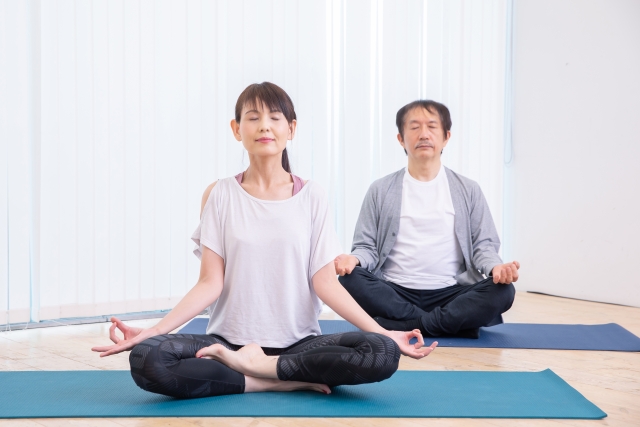
✅ DO wear:
- Loose, comfortable trousers or wide-leg pants — you’ll be sitting cross-legged (or attempting to)
- Layers, especially for morning sessions — temples can be surprisingly cool
- Socks — you’ll remove your shoes at the entrance
❌ DON’T wear:
- Tight jeans or skinny trousers — cutting off leg circulation is not a Zen experience
- Strong perfume or scented lotion — you’re in a sacred, shared space, and the silence extends to your fragrance choices
- Anything you’d be nervous about sitting on a wooden floor in for 30–45 minutes
If sitting cross-legged is genuinely not possible for you, don’t let that stop you — chair zazen is available at most English-friendly temples. Just mention it when you book.
How to Try Zazen at Home (Because the Temple Is Far)
Can’t make it to a temple this trip? Good news: zazen requires zero equipment you don’t already have. Here’s the basic practice in plain English.
1. Set Up Your Space
Find a quiet spot and sit on a firm cushion (a zafu) or a folded blanket on the floor. The goal is to have your hips slightly elevated above your knees — this naturally helps your spine align without effort.
2. Find Your Posture
There are several options, and all are valid:
- Full lotus (both feet on opposite thighs) — impressive if you can manage it, but not required
- Half lotus (one foot on the opposite thigh) — more realistic for most people
- Burmese position (both feet on the floor in front of you) — completely fine for beginners
- Chair — also completely valid, and always will be
Keep your spine straight, chin slightly tucked, and eyes cast downward at roughly a 45-degree angle — not fully closed, not wide open.
3. Hand Position: the Cosmic Mudra
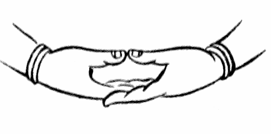
Place your left hand in your right, palms facing upward, thumbs lightly touching. This hand position — called the hokkaijoin, or cosmic mudra — is more than aesthetic. It gives your hands something to do and helps maintain a subtle physical alertness.
4. Breathe
Breathe naturally through your nose. Some traditions count breaths: inhale is 1, exhale is 2, up to 10, then restart. When you lose count — and you will lose count, possibly within the first 30 seconds — just start again at 1. No judgment, no frustration. Starting again is the practice.
5. Just Sit
Set a timer for 10–15 minutes to start. Thoughts will arise — about dinner, about that email, about whether you’re doing this correctly. Notice them. Don’t follow them. Return to your posture; return to your breath. That’s zazen. Not complicated. Not easy.
Final Thoughts: Will You Achieve Enlightenment?
Zazen won’t give you superpowers. It almost certainly won’t trigger a dramatic enlightenment experience (sorry). What it will give you is something harder to explain and far more interesting: a few minutes of sitting in a centuries-old Tokyo temple while incense drifts through the air and a monk quietly adjusts your posture — and the strange, lasting feeling that something real happened.
That’s the kind of experience you’ll still be turning over in your mind on the flight home. Possibly for longer than that.
And if a monk approaches you with a flat wooden stick during your session — breathe in, bow your head slightly, and accept the tap with grace. It’s an act of genuine compassion, not aggression. Allegedly.
Have you tried zazen in Tokyo or elsewhere in Japan? Drop your experience in the comments below — especially if the stick was involved. We’d love to hear from you.
🔍 Looking for more unique cultural experiences in Japan? Browse our Japan travel guides for more off-the-beaten-path ideas.ideas.</em></p>


Share your thoughts